Offering curbside service and drop-off appointments upon request.

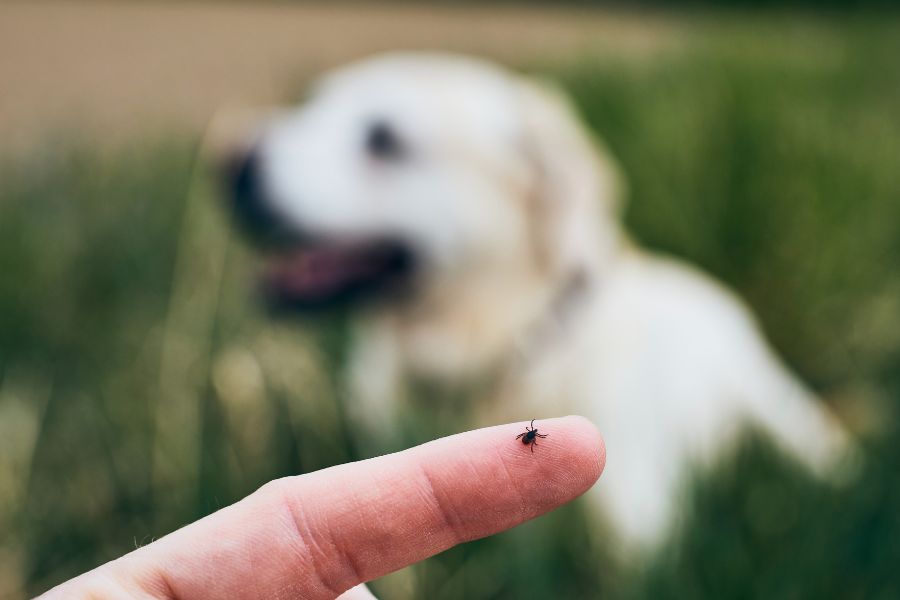
Parasites can seriously threaten your pet’s health, but many owners overlook the importance of preventing them all year round. As a pet owner, you want to keep your furry friend healthy and happy in every season. This guide provides simple, practical tips to help you protect your pet from harmful parasites year-round so they can lead a lively, active life.
The Importance of Year-Round Protection
Parasites such as fleas, ticks, and worms are more than just a nuisance; they pose serious health risks to your pet. Fleas can cause itching and allergic reactions, while ticks may transmit Lyme disease. Heartworms can harm the heart and lungs, and intestinal worms can lead to serious digestive problems.
These threats remain a concern during the cooler months, underscoring the importance of year-round pet parasite prevention to keep them safe and healthy, regardless of the season.
Know the Common Parasites Affecting Pets
Before exploring ways to prevent parasites, it’s crucial to identify the common parasite problems in Tempe area that can affect pets. Each type of parasite requires its own specific prevention approach to keep pets safe and healthy.
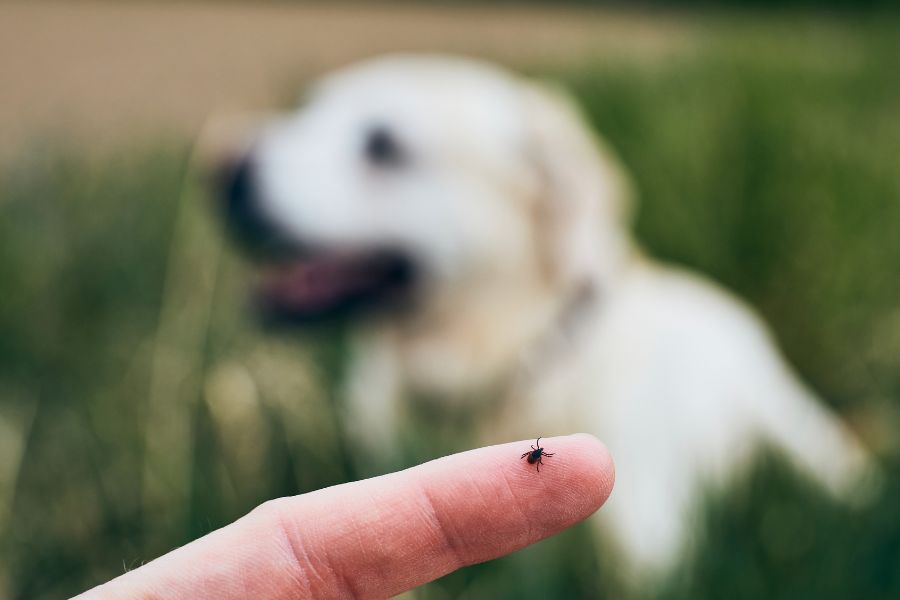
- Fleas and Ticks: Fleas and ticks are more prevalent in warmer climates, but can be found year-round. They can irritate and may transmit diseases, such as Lyme disease.
- Heartworms: These parasites are transmitted by mosquitoes and can severely harm the heart and lungs. Preventing heartworm is essential, particularly during mosquito season.
- Intestinal Worms: These parasites, including roundworms and hookworms, live in your pet’s intestines and can cause vomiting, diarrhea, and weight loss.
- Ear Mites: These small parasites can make your pet scratch their ears excessively. If not treated, ear mites may cause ear infections and other health issues.
Effective Pet Parasite Prevention Strategies
Now that you understand the threats, let’s explore ways to prevent parasites from harming your pet.
Year-Round Flea and Tick Protection
Fleas and ticks pose a risk beyond summer, affecting your pet even in cooler weather. To protect your pet, a monthly prevention treatment is effective. Choices include topical treatments, oral medications, and flea collars. It is best to discuss these options with your nearest veterinarian to determine the most suitable solution for your pet’s specific needs.
Heartworm Prevention
Heartworm disease is among the most serious health threats to pets. Mosquitoes transmit larvae that, once in your pet’s bloodstream, can lead to severe lung and heart problems. Your veterinarian can recommend monthly preventive tablets or topical treatments to safeguard your pet from this potentially fatal disease.
Routine Deworming
Regular deworming helps prevent intestinal parasites such as roundworms, hookworms, and tapeworms. Most veterinarians in Tempe recommend routine deworming for pets, especially puppies and kittens. A simple fecal exam can detect any parasites and ensure that the correct treatment is given. Monthly preventatives are readily available to help keep your pet safe and prevent infestations before they begin.
Ear Mite Prevention and Treatment
Regular ear checks are an essential part of keeping your pet healthy, as they help prevent parasites. If your pet’s ears appear dirty or red, or if they are scratching more than usual, they might have ear mites. A visit to your nearest veterinarian can effectively treat ear mites, and routine home ear cleaning can help prevent future problems. Use vet-approved ear cleaners to keep your pet’s ears clean and healthy.
Regular Vet Checkups
To prevent parasites, it is vital to maintain regular veterinary checkups. During these visits, a vet will look for signs of parasitic infections and suggest appropriate treatments. Scheduling annual or semi-annual appointments helps catch any issues early before they become more serious.
Protecting Your Pet Through Healthy Habits
In addition to using preventatives, maintaining healthy habits is essential in keeping parasites at bay. Consider these simple tips for pet parasite prevention:
- Bath and Grooming: Regular baths and grooming sessions not only keep your pet clean but also help you detect fleas, ticks, or skin infections early.
- Clean Living Space: Keep your pet’s environment clean by washing bedding, vacuuming carpets, and keeping outdoor areas free of debris that can attract pests.
- Avoid heavily pest-populated areas: Be cautious about where you take your pet, particularly during peak flea and tick seasons. Stay away from wooded areas or locations with a high risk of parasite infestations.
Protect Your Pet Year-Round
Preventing parasites is crucial for your pet’s health and happiness. Regular treatments and checkups can significantly reduce the risk of parasite-related issues. Whether dealing with fleas, ticks, heartworms, or intestinal worms, it is crucial to take steps year-round to keep your pet safe. Consistent prevention helps ensure your pet enjoys a long and healthy life.
You do not have to face parasite prevention alone. Our team at Topaz Veterinary Clinic is dedicated to helping you protect your pet from harmful parasites. We provide expert advice and personalized prevention plans to ensure your pet remains safe and healthy. Contact us today to find out more about our parasite prevention services.
FAQs
1. Is deworming necessary for adult pets?
Ans: Yes, deworming is vital for adult pets, especially if they go outdoors or interact with other animals. Regular deworming helps prevent intestinal parasites like roundworms, hookworms, and tapeworms, which can cause digestive issues and general discomfort. Your vet can recommend an appropriate deworming schedule.
2. Can my pet get parasites from other animals?
Ans: Yes, parasites can spread through direct contact with infected animals, especially in places like dog parks, kennels, or areas with high animal traffic. Pets can also pick up parasites from contaminated water or soil. Preventative treatments and regular vet checkups help keep your pet safe.
3. What are the signs that my pet might have worms?
Ans: Symptoms of worms include vomiting, diarrhea, weight loss, lethargy, and visible worms in your pet’s stool. If you notice any of these signs, take your pet to the vet for a fecal examination. Deworming treatments can quickly address most parasitic infections once diagnosed.
4. How often should I check my pet for ticks?
Ans: You should check your pet for ticks after every outdoor activity, especially if they’ve been in wooded or grassy areas. Ticks are small and often attach to hidden areas, such as the ears, armpits, or between the toes. Prompt removal reduces the risk of disease transmission.
5. Can heartworm treatment be dangerous for my pet?
Ans: Heartworm treatment can be risky, especially in severe cases, as it involves killing the adult heartworms. This process can cause complications like lung damage or blood clots. Prevention is far safer, so using monthly preventatives is crucial to avoid heartworm disease treatment.