Offering curbside service and drop-off appointments upon request.

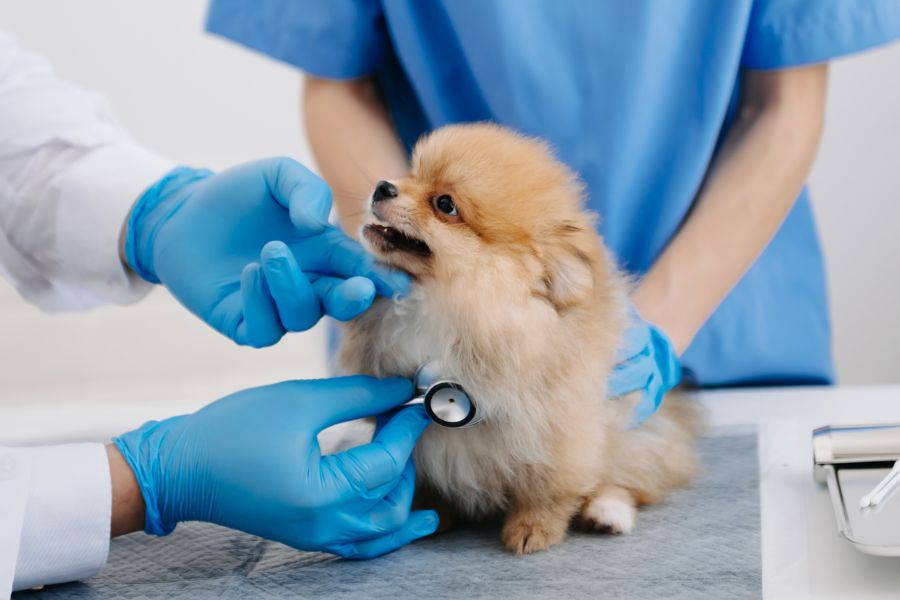
Bringing a new pet in family is exciting, emotional, and sometimes overwhelming. Between food bowls, toys, and training plans, many pet parents ask the same question: when should I schedule the first vet visit for my pet?
In this guide, we’ll explain the ideal timing for your pet’s first veterinary appointment, what happens during that visit, and why early care matters especially for families in Tempe and surrounding communities.
Why the First Vet Visit Is So Important
When you welcome a new pet into your family, that first veterinary appointment sets the foundation for lifelong health.
A first vet visit helps:
- Detect hidden health issues early
- Start a proper vaccination schedule
- Screen for parasites
- Discuss nutrition and behavior
- Build a relationship with a trusted veterinarian
Young pets grow rapidly. A small issue can become serious quickly if it goes unnoticed. Early exams help prevent that.
When to Schedule the First Vet Visit for a Puppy
If you’ve added a puppy to your home, timing matters.
Ideal Timing:
Schedule your puppy’s first vet visit within 3–7 days of bringing them home, especially if they are 6–8 weeks old.
Most puppies begin vaccines around 6–8 weeks of age and continue every 3–4 weeks until about 16 weeks old.
During the First Puppy Visit, Expect:
- Full physical exam (eyes, ears, heart, lungs, skin, joints)
- Fecal test for worms and parasites
- First or follow-up vaccinations
- Discussion about:
- House training
- Teething
- Socialization
- Spay/neuter timing
- Flea and tick prevention
In a warm climate, flea prevention is especially important year-round.
When to Schedule the First Vet Visit for a Kitten
Kittens may look tiny and fragile, but they grow fast and need early medical care.
Ideal Timing:
Bring your kitten to the vet within the first week of adoption, ideally at 6–8 weeks of age.
Kittens need a series of vaccines just like puppies, spaced every few weeks until about 16 weeks old.
During the First Kitten Visit:
- Complete physical examination
- Testing for intestinal parasites
- Feline leukemia (FeLV) testing (if recommended)
- Vaccine planning
- Nutrition guidance
- Litter box advice
Outdoor cats face risks like heat exposure and infectious diseases, so prevention discussions are essential early on.
What If You Adopted an Adult Pet?
A new pet in family isn’t always a baby. Many families adopt adult dogs and cats from shelters or rescue groups.
If your new pet is over 6 months old:
- Schedule a vet appointment within the first 7 days
- Bring any vaccination or medical records
- Plan for a full wellness exam and lab screening
Even if the shelter provided care, a local vet visit ensures continuity and establishes your pet’s health baseline.
What Happens During the First Vet Visit?
Here’s a breakdown of what typically occurs:
Comprehensive Physical Exam
The veterinarian checks:
- Weight and body condition
- Eyes, ears, and teeth
- Heart and lungs
- Skin and coat
- Abdomen and joints
Parasite Screening
Puppies and kittens commonly carry:
- Roundworms
- Hookworms
- Coccidia
- Giardia
Early detection protects both your pet and your family.
Vaccination Plan
Core vaccines may include:
For Dogs:
- Distemper
- Parvovirus
- Adenovirus
- Rabies
For Cats:
- FVRCP (feline distemper combination)
- Rabies
Preventive Care Planning
You’ll discuss:
- Flea and tick prevention
- Heartworm prevention
- Spay or neuter timing
- Microchipping
Why Timing Matters
Living in Tempe comes with unique environmental considerations.
Heat Risks
Summers can reach extreme temperatures. Young pets are especially vulnerable to:
- Dehydration
- Heatstroke
- Burned paw pads
Your first vet visit is a great time to discuss safe outdoor activity guidelines.
Year-Round Parasites
Unlike colder states, fleas and ticks can be active almost all year. Starting prevention early protects your pet long-term.
Wildlife Exposure
Coyotes, scorpions, and snakes are common in surrounding areas. Your vet can advise on risk reduction and emergency preparedness.
Building a Lifelong Relationship with Your Veterinarian
Your pet’s first appointment is the beginning of a long partnership.
Routine wellness visits allow your veterinarian to:
- Track growth and development
- Catch early health changes
- Adjust diet and lifestyle recommendations
- Provide dental care guidance
- Offer behavioral support
At Topaz Veterinary Clinic, we proudly care for pets from Tempe, Mesa, Chandler, Phoenix, gilbert and Scottsdale. We often see pets grow from playful puppies and kittens into healthy senior companions, and establishing care early makes that journey smoother.
How Often Should Pets See the Vet After the First Visit?
After initial vaccinations:
- Puppies and kittens: Multiple visits until about 4 months old
- Healthy adult pets: Once yearly
- Senior pets (7+ years): Twice yearly recommended
Regular visits help prevent costly emergencies down the road.
Conclusion
Bringing a new pet in family is one of life’s happiest milestones. Scheduling the first vet visit within the first week of adoption ensures your puppy, kitten, or adult pet starts life in your home healthy and protected.
Early exams, vaccinations, and preventive care are essential, especially in Arizona’s warm climate. Don’t wait for symptoms to appear. Proactive care is the best gift you can give your new companion.
If you’ve recently welcomed a furry family member, schedule an appointment at Topaz Veterinary Clinic today and give them the healthy start they deserve.
FAQs
Q1: How soon should I take my new puppy to the vet?
Ans: You should schedule your puppy’s first vet visit within 3–7 days of bringing them home, ideally at 6–8 weeks of age.
Q2: When should a kitten have its first vet appointment?
Ans: Kittens should see a veterinarian within the first week of adoption and begin vaccines around 6–8 weeks old.
Q3: Do indoor cats need a first vet visit?
Ans: Yes. Even indoor cats require vaccinations, parasite screening, and wellness exams to maintain their health.
Q4: What happens at a pet’s first vet visit?
Ans: Your pet will receive a full physical exam, parasite testing, vaccine planning, and preventive care recommendations.
Q5: Is it urgent to take a new pet to the vet if they look healthy?
Ans: Yes. Many health issues are not visible at home. Early exams catch hidden problems before they become serious.