Offering curbside service and drop-off appointments upon request.

Preparing your pet for surgery for the first time can feel stressful, but the right information makes all the difference. Whether your dog or cat needs a spay, neuter, dental procedure, or another operation, understanding the process helps you stay calm and confident.
In this surgery prep guide, we’ll walk you through practical pet surgery preparation tips, explain what happens at a pet surgery clinic, and show you how to help your pet recover safely and comfortably.
Why Properly Preparing Pet for Surgery Matters
Surgery is common in veterinary medicine, and most procedures are very safe. Still, proper preparation reduces risks and improves recovery outcomes.
When preparing your pet for surgery, you help:
- Lower anesthesia-related risks
- Reduce complications such as vomiting or aspiration
- Improve surgical precision
- Speed up healing time
- Decrease post-operative stress
According to veterinary standards, fasting and pre-operative exams significantly reduce complications. Even routine procedures like spays and neuters require careful planning.
If this is your first time having pet surgery, it is completely normal to feel anxious. A structured surgery prep guide helps eliminate uncertainty.
What Happens Before Surgery at a Pet Surgery Clinic?
Understanding the process at a pet surgery clinic can ease concerns.
1. Pre-Surgical Exam
Your veterinarian will:
- Perform a full physical exam
- Check heart and lung function
- Evaluate weight and body condition
- Review medical history
For senior pets or pets with health conditions, bloodwork is often recommended. Pre-anesthetic blood tests detect hidden issues such as liver or kidney dysfunction.
2. Pre-Anesthetic Testing
Testing may include:
- Complete blood count
- Chemistry panel
- Clotting profile
- ECG in certain cases
These diagnostics ensure your pet can safely process anesthesia.
3. Anesthesia Plan
Each pet receives an individualized anesthesia protocol. Modern veterinary anesthesia includes:
- Pre-medication to reduce anxiety
- IV catheter placement
- Inhalant anesthesia
- Continuous monitoring of oxygen, heart rate, and blood pressure
Knowing this can reassure you that your pet is carefully monitored throughout the procedure.
Step-by-Step: Preparing Your Pet for Surgery at Home
One of the most important parts of preparing your pet for surgery happens before you even arrive at the clinic.
Follow Fasting Instructions Carefully
Most pets must stop eating 8 to 12 hours before surgery.
Water is often allowed until the morning of surgery, but always confirm with your veterinarian.
Why fasting matters:
- Prevents vomiting under anesthesia
- Reduces risk of aspiration pneumonia
- Improves safety during intubation
For puppies, kittens, or diabetic pets, instructions may differ.
Limit Food Access in Multi-Pet Homes
If you have multiple pets:
- Feed them separately
- Pick up all food bowls
- Monitor closely to prevent sneaking food
Even a small snack can delay surgery.
Adjust Medications if Directed
Some medications should continue, others must pause. Always clarify:
- Pain medications
- Heart medications
- Insulin
- Supplements
Never stop prescribed medication unless instructed.
Provide a Calm Environment
The night before surgery:
- Keep activity low
- Avoid rough play
- Maintain a normal bedtime routine
Stress increases cortisol levels, which can affect recovery.
What to Bring on Surgery Day
Being organized reduces your stress and helps the clinic team.
Bring:
- Any current medications
- Medical records if referred
- Emergency contact number
- Approved comfort item, if allowed
Leave toys, food, and treats at home unless instructed.
If this is your first time with pet surgery, write down questions in advance so you don’t forget them during drop-off.
What Happens After Surgery?
Post-operative care is just as important as preparing your pet for surgery.
Immediate Recovery
After surgery, your pet will:
- Recover in a temperature-controlled area
- Be monitored until fully awake
- Receive pain medication
Mild grogginess is normal for 12 to 24 hours.
Common Normal Post-Surgery Signs
It is typical to see:
- Mild swelling near incision
- Slight redness
- Reduced appetite on the first evening
- Sleepiness
These are expected after anesthesia.
Warning Signs to Watch For
Contact your veterinarian if you notice:
- Persistent vomiting
- Pale gums
- Excessive bleeding
- Severe swelling
- Discharge from incision
- Lethargy beyond 24 hours
Knowing these signs is essential for any first-time pet surgery situation.
Setting Up a Safe Recovery Space
Create a quiet, confined area for healing.
Ideal setup includes:
- Soft bedding
- Low lighting
- Limited stairs
- No jumping or running
For dogs, short leash walks only. For cats, consider using a small room or crate if necessary. Activity restriction is one of the most overlooked pet surgery preparation tips for recovery success.
Managing the E-Collar and Incision Care
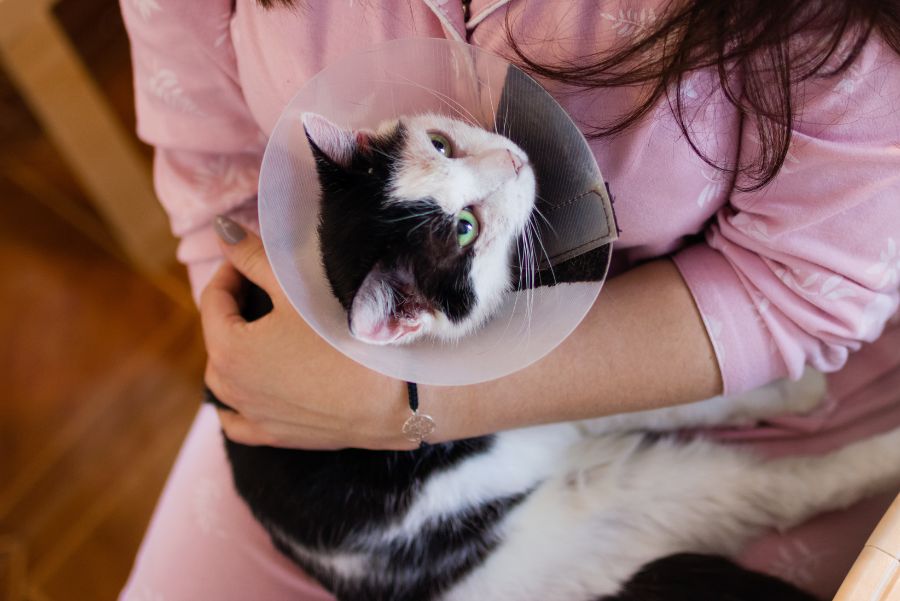
Many pets must wear an Elizabethan collar or recovery suit.
This prevents:
- Licking
- Chewing
- Infection
Check the incision daily:
- It should be clean and dry
- No foul odor
- No thick discharge
How to Emotionally Prepare Yourself
Preparing your pet for surgery is not just physical. It is emotional, too.
Here are ways to stay calm:
- Understand that routine surgeries are very common
- Choose a trusted pet surgery clinic
- Follow all instructions carefully
- Keep communication open
Veterinary teams perform surgeries daily, and patient safety is always the priority.
Special Considerations for Puppies and Kittens
Young pets often recover faster but require careful monitoring.
Important reminders:
- They may need adjusted fasting times
- Keep them warm post-surgery
- Monitor closely for hypoglycemia signs such as weakness
If this is your first pet surgery of young pet, ask detailed questions about feeding timelines after discharge.
How Long Does It Take for Pets to Fully Recover?
Recovery depends on the procedure.
Typical timelines:
- Spay or neuter, 10 to 14 days
- Dental procedure, 3 to 5 days
- Mass removal, 10 to 14 days
- Orthopedic surgery, several weeks
Your veterinarian will provide a personalized recovery plan. Following this surgery prep guide closely improves healing speed and comfort.
Conclusion
Preparing a pet for surgery does not have to feel overwhelming. With clear instructions, proper fasting, a calm home environment, and attentive post-operative care, most pets recover smoothly and quickly. Understanding what happens before, during, and after the procedure gives you confidence and reduces stress.
If you are a pet owner in Tempe and searching for best pet surgery clinic near you, Contact Topaz Veterinary Clinic today, and ensure your pet receives safe, compassionate care.
FAQs
Q1: How long should I fast my pet before surgery?
Ans: Most pets need to fast for 8 to 12 hours before surgery, but always follow your veterinarian’s specific instructions.
Q2: Is anesthesia safe for first-time pet surgery?
Ans: Yes, modern veterinary anesthesia is very safe when proper pre-surgical exams and monitoring protocols are followed.
Q3: What are normal behaviors after pet surgery?
Ans: Mild sleepiness, slight swelling, and reduced appetite for 24 hours are normal after surgery.
Q4: When can my pet return to normal activity after surgery?
Ans: Most pets need 10 to 14 days of restricted activity, depending on the procedure performed.
Q5: What should I avoid doing after my pet’s surgery?
Ans: Avoid bathing, excessive activity, removing the E-collar, or allowing licking at the incision site until cleared by your veterinarian.