Offering curbside service and drop-off appointments upon request.

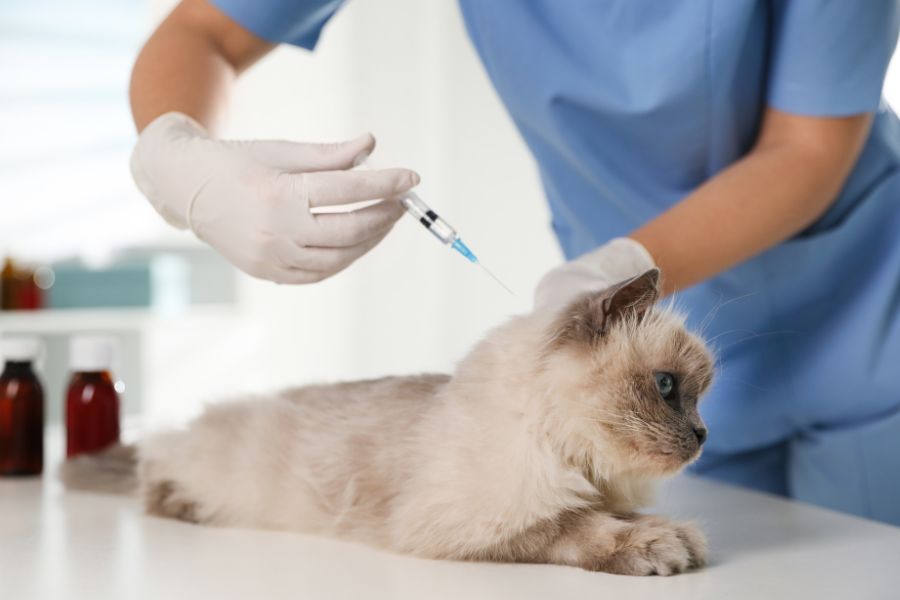
Many cat owners believe that if their cat never goes outside, vaccines aren’t necessary. However, skipping the indoor cat rabies vaccine can put both your pet and your family at risk. Rabies is a deadly disease that affects the nervous system and can be transmitted through bites or scratches from infected animals.
Even indoor cats may encounter wildlife like bats or accidentally escape outdoors. In this guide, we’ll explain why the indoor cat rabies vaccine is still essential, what the law requires, and how it protects your pet’s health and safety.
What Is Rabies and Why Is It So Dangerous?
Rabies is a viral disease that affects the brain and nervous system of mammals, including cats, dogs, and humans. Once symptoms appear, the disease is almost always fatal.
Rabies spreads through the saliva of infected animals, typically through bites or scratches. Wildlife such as bats, raccoons, foxes, and skunks are common carriers.
Common rabies symptoms in cats include:
- Sudden behavioral changes
- Excessive drooling
- Difficulty swallowing
- Aggression or unusual fearfulness
- Paralysis in later stages
Because rabies is so dangerous and untreatable once symptoms start, vaccination is the only reliable protection.
Do Indoor Cats Really Need a Rabies Vaccine?
Many pet owners assume indoor cats are safe from rabies exposure. While the risk is lower, it is not zero.
Here are common situations where indoor cats can still be exposed:
1. Wildlife Entering the Home
In Arizona, bats sometimes enter houses through open doors, chimneys, or attic spaces. A curious indoor cat may interact with a bat without the owner even noticing.
2. Accidental Escapes
Even the calmest indoor cat can slip outside when a door or window is left open.
3. Veterinary or Grooming Visits
Cats sometimes bite or scratch when they’re scared. If your cat isn’t vaccinated against rabies and bites someone, strict quarantine rules may apply.
Because of these risks, veterinarians strongly recommend keeping the indoor cat rabies vaccine up to date.
Is the Rabies Vaccine Required by Law?
In many states, including Arizona, rabies vaccination is legally required for cats.
Local animal control regulations are designed to protect public health. If an unvaccinated cat bites someone, the consequences can be serious.
Possible outcomes may include:
- Mandatory quarantine
- Expensive observation periods
- In severe cases, euthanasia for rabies testing
Keeping your cat vaccinated protects you from these stressful situations.
How Often Do Cats Need a Rabies Vaccine?
The vaccination schedule is simple and safe for most cats.
Typical rabies vaccine timeline:
- First rabies vaccine: around 12–16 weeks of age
- First booster: one year later
- Ongoing boosters: every 1–3 years, depending on the vaccine used
Your veterinarian will recommend the best schedule for your cat.
Regular wellness visits also help monitor your cat’s overall health and catch problems early.
Are Rabies Vaccines Safe for Indoor Cats?
Rabies vaccines used today are very safe and widely tested.
Most cats experience no side effects at all. When reactions do occur, they are usually mild and temporary.
Possible mild side effects include:
- Slight soreness at the injection site
- Mild tiredness for a day
- Temporary decrease in appetite
Serious reactions are extremely rare. The risk of rabies is far more dangerous than the vaccine itself.
Rabies Risk in Arizona: Why Local Awareness Matters
Arizona has one of the highest rabies activity levels in the United States, especially among bats and wild animals.
Tempe residents occasionally encounter wildlife around:
- Neighborhood parks
- Desert preserves
- Backyard spaces near canals or greenbelts
Even in suburban areas, wildlife exposure is possible. Indoor cats may encounter infected animals if they escape or if wildlife enters the home.
That’s why veterinarians strongly recommend the indoor cat rabies vaccine as part of routine preventive care.
What Happens If an Unvaccinated Cat Is Exposed to Rabies?
If an unvaccinated cat is exposed to a rabid animal, the situation becomes serious.
Depending on local regulations, options may include:
- Strict quarantine for several months
- Immediate vaccination and observation
- Euthanasia for rabies testing in severe cases
These outcomes are stressful for both owners and pets. Staying current on vaccinations prevents these situations entirely.
Additional Health Benefits of Regular Vet Visits
Rabies vaccination appointments are also a good opportunity to check your cat’s overall health.
During routine visits, veterinarians may also:
- Check weight and nutrition
- Examine teeth and gums
- Screen for parasites
- Monitor early signs of illness
- Update other core vaccines
Preventive care helps indoor cats live longer, healthier lives.
Pet owners in neighborhoods like Scottsdale, Chandler, Mesa, and the greater Phoenix area often schedule annual wellness visits to keep their pets protected year-round.
How to Prepare Your Cat for a Rabies Vaccine Visit
Vet visits can be stressful for some cats, but a few simple steps can make the experience easier.
Helpful tips include:
- Use a comfortable, secure carrier
- Place a familiar blanket inside the carrier
- Avoid feeding right before travel if your cat gets motion sickness
- Keep the environment calm during transport
A smooth vet visit helps reduce anxiety and ensures your cat gets the preventive care they need.
Why Preventive Care Matters for Indoor Cats
Indoor cats typically live longer than outdoor cats, but they still need routine medical care.
Preventive care helps protect against:
- Rabies and other infectious diseases
- Dental disease
- Obesity and metabolic conditions
- Parasites
- Age-related health issues
Vaccines are a small step that provides long-term protection.
Veterinarians at Topaz Veterinary Clinic often remind pet owners that preventive care is far easier and more affordable than treating serious illnesses later.
Conclusion
Many owners assume indoor cats don’t need vaccines, but the indoor cat rabies vaccine remains one of the most important protections for your pet and your family. Accidental escapes, wildlife exposure, and legal requirements all make vaccination essential—even for strictly indoor cats.
Keeping your cat’s rabies vaccine current helps avoid serious health risks and legal complications while ensuring your pet stays safe for years to come. Pet owners throughout Tempe, Scottsdale, Chandler, Mesa, and the greater Phoenix area trust Topaz Veterinary Clinic for reliable preventive care and guidance for their cats.
If your cat is due for a vaccine or wellness exam, schedule an appointment at Topaz Veterinary Clinic today to keep them protected and healthy for years to come.
FAQs
Q1: Do indoor cats legally need a rabies vaccine?
Ans: Yes. In many areas, including Arizona, rabies vaccination is required by law for cats regardless of whether they live indoors or outdoors.
Q2: Can an indoor cat get rabies without going outside?
Ans: Yes. Wildlife such as bats can enter homes, and indoor cats may accidentally escape outdoors, creating possible exposure.
Q3: How long does a rabies vaccine last in cats?
Ans: Depending on the vaccine type, protection typically lasts one to three years after the initial booster.
Q4: Is the rabies vaccine safe for older indoor cats?
Ans: Yes. Most senior cats can safely receive the vaccine, but your veterinarian may adjust the schedule based on your cat’s health.
Q5: What should I do if my unvaccinated cat bites someone?
Ans: Contact your veterinarian immediately. Local authorities may require quarantine or observation if the cat does not have an up-to-date rabies vaccination.