Offering curbside service and drop-off appointments upon request.

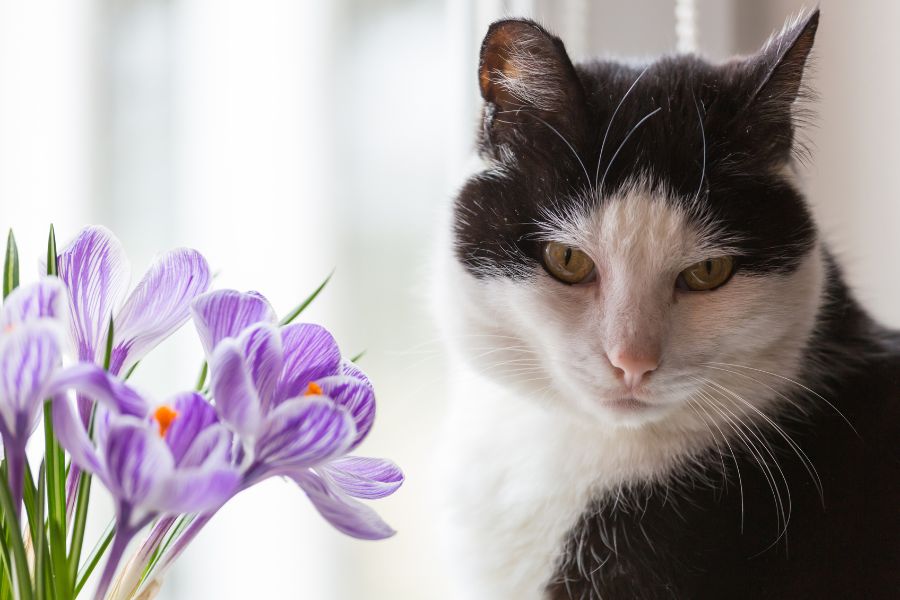
Lily poisoning in cats is one of the most dangerous and life-threatening emergencies pet owners can face. Even minimal exposure—like licking pollen or chewing a leaf—can cause severe kidney damage within hours. In this detailed guide, we’ll cover everything you need to know about lilies toxic to cats, the early lily poisoning symptoms, what to do if your cat ate lily, and why a timely cat health diagnostic exam can save your pet’s life.
What Makes Lilies So Dangerous for Cats?
Lilies may look beautiful, but for cats, they are extremely toxic. Unlike many other household plants, lilies can cause severe and rapid organ failure—even in very small amounts.
The most dangerous lilies toxic to cats include:
- Easter lilies
- Tiger lilies
- Daylilies
- Asiatic lilies
Every part of the plant is harmful:
- Leaves
- Petals
- Stems
- Pollen
- Vase water
What makes lily poisoning in cats especially concerning is that exposure doesn’t always mean eating the plant. A cat can simply brush against a lily, get pollen on its fur, and ingest it while grooming.
How Lily Poisoning Affects a Cat’s Body
The toxins found in lilies primarily target the kidneys. Once inside the body, these toxins begin damaging kidney cells very quickly.
Stages of Toxicity:
Early Stage (0–6 hours):
- Vomiting
- Drooling
- Mild lethargy
Intermediate Stage (6–24 hours):
- Temporary improvement in symptoms
- Hidden kidney damage begins
Critical Stage (24–72 hours):
- Severe kidney failure
- Dehydration
- Life-threatening complications
Because symptoms may temporarily improve, many owners assume their cat is fine—this delay can be fatal. That’s why immediate action is critical if your cat ate lily.
Lily Poisoning Symptoms You Should Never Ignore
Recognizing lily poisoning symptoms early can make a life-saving difference. The sooner treatment begins, the better the outcome.
Early Warning Signs:
- Vomiting (often the first symptom)
- Loss of appetite
- Excessive drooling
- Lethargy or hiding
Advanced Symptoms:
- Increased or decreased urination
- Dehydration
- Bad breath (due to toxin buildup)
- Tremors or seizures
As kidney failure progresses, your cat may stop urinating altogether—this is a critical emergency requiring immediate veterinary care.
What To Do If Your Cat Ate Lily
If you suspect your cat ate lily or came into contact with one, treat it as an emergency—even if your cat seems normal.
Immediate Action Steps:
- Remove your cat from the source of exposure
- Carefully wipe off any pollen from fur using a damp cloth
- Prevent further grooming
- Contact your veterinarian immediately
Do not wait for symptoms to appear. Early intervention is the most important factor in survival.
Diagnosis: The Role of a Cat Health Diagnostic Exam
A proper health diagnostic exam is essential when dealing with lily poisoning in cats. Even if symptoms seem mild, internal damage may already be happening.
What Vets Check During Diagnosis:
- Blood tests to evaluate kidney function
- Urinalysis to detect early kidney damage
- Hydration levels
- Electrolyte balance
These tests help determine how far the toxicity has progressed and guide the treatment plan.
Early diagnosis often leads to significantly better outcomes, which is why immediate veterinary evaluation is critical.
Treatment Options for Lily Poisoning in Cats
Treatment depends on how soon your cat receives medical care after exposure.
1. Decontamination
If caught early, veterinarians may:
- Induce vomiting safely
- Administer activated charcoal to absorb toxins
2. IV Fluid Therapy
This is the most important treatment:
- Helps flush toxins from the kidneys
- Maintains hydration
- Supports kidney function
Cats typically require IV fluids for 48–72 hours.
3. Hospital Monitoring
Your cat may need to stay at the clinic for:
- Continuous monitoring
- Repeated blood tests
- Supportive care
4. Advanced Care (Severe Cases)
- Dialysis (if available)
- Intensive supportive treatments
The earlier the treatment begins, the less aggressive it needs to be.
Recovery and Prognosis
The prognosis for lily poisoning in cats depends almost entirely on timing.
Best-Case Scenario:
- Treatment within 6–12 hours
- Minimal or no kidney damage
- Full recovery
Moderate Cases:
- Some kidney damage
- Long-term monitoring required
Severe Cases:
- Kidney failure
- Poor prognosis
- Possible fatal outcome
Cats that receive early treatment before kidney damage sets in often recover completely. However, delays can lead to permanent health issues.
How to Prevent Lily Poisoning in Cats
Prevention is the most effective way to protect your cat from this dangerous condition.
Simple Prevention Tips:
- Avoid bringing lilies into your home
- Always check floral arrangements
- Inform guests about the risk
- Keep cats indoors during high-risk seasons
lilies are commonly used in celebrations and seasonal décor, making awareness even more important for local pet owners.
Common Household Risks You Might Overlook
Many cases of lily poisoning in cats happen unintentionally. Here are some common scenarios:
- Receiving flower bouquets as gifts
- Decorative arrangements during holidays
- Outdoor garden exposure
- Pollen falling onto furniture or floors
Even a small amount of pollen can be dangerous, so vigilance is key.
Why Immediate Veterinary Care Is Important
Unlike some toxins, lily poisoning does not resolve on its own. Waiting even a few hours can significantly reduce your cat’s chances of survival.
A timely cat health diagnostic exam allows veterinarians to:
- Detect early kidney damage
- Start life-saving treatments
- Prevent long-term complications
At Topaz Veterinary Clinic, early intervention and proper care can help improve outcomes and protect your cat from irreversible damage.
Conclusion
Lily poisoning in cats is one of the most serious emergencies a pet owner can face. Even minimal exposure can quickly lead to kidney failure, making early recognition and action critical. Understanding lily poisoning symptoms, knowing what to do if your cat ate lilies, and seeking a prompt cat health diagnostic exam can truly save your pet’s life.
The best approach is prevention is keep lilies from entering your home and stay alert to hidden risks. If you are a cat owner in Tempe, Scottsdale, Chandler, Mesa, and the greater Phoenix area, and suspect any symptoms of lily poisoning in your cat. Book an appointment at Topaz Veterinary Clinic today to ensure your cat stays safe, healthy, and protected.
FAQs
Q1: How much lily exposure is dangerous for cats?
Ans: Even a tiny amount, like licking pollen or chewing a leaf, can cause severe lily poisoning in cats, leading to kidney failure if untreated.
Q2: What should I do first if my cat ate lily?
Ans: Immediately remove access, clean off pollen, and contact a vet. Quick action is critical to prevent serious complications.
Q3: Can lily poisoning symptoms go away on their own?
Ans: Symptoms may temporarily improve, but kidney damage continues internally. Veterinary care is always required for proper treatment.
Q4: How is lily poisoning diagnosed in cats?
Ans: A cat’s health diagnostic exam includes blood tests and urinalysis to detect kidney damage and assess overall health.
Q5: Is it safe to keep lilies in a home with cats?
Ans: No, it’s highly risky. Even indirect exposure can cause life-threatening toxicity, so it’s best to avoid lilies entirely.