Offering curbside service and drop-off appointments upon request.

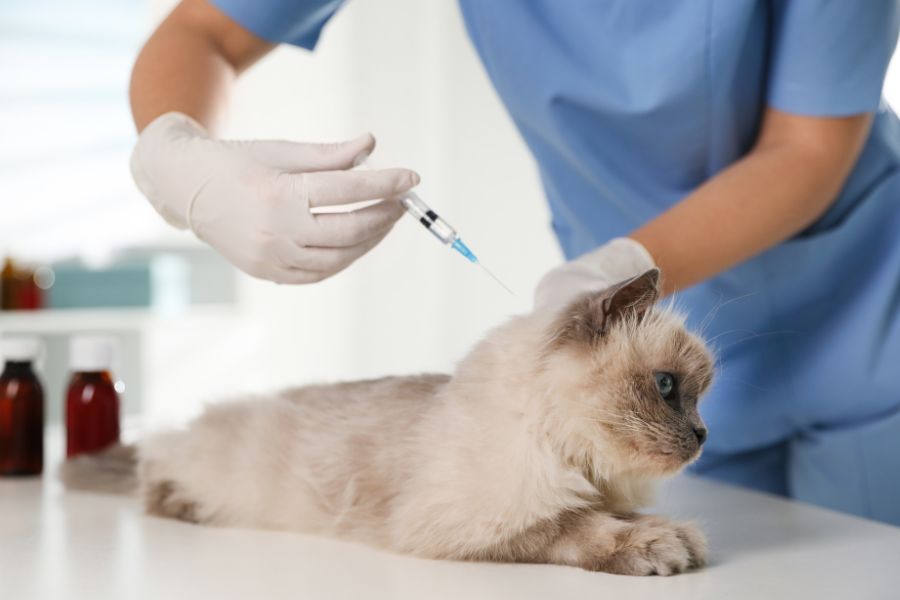
Vaccinations are a crucial part of keeping your pet healthy, but many pet owners worry about possible reactions afterward. Understanding the side effects of pet vaccinations helps you know what’s normal and when to seek veterinary care. In this guide, we’ll break down common vaccine reactions, warning signs to watch for, and how to keep your pet safe after their shots.
Why Pet Vaccinations Are Important
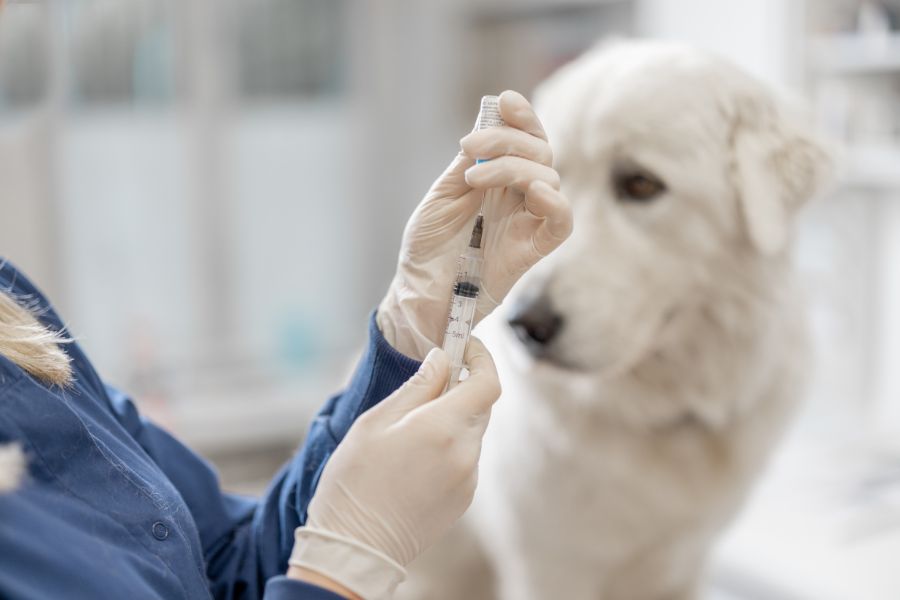
Vaccines protect pets from serious and potentially fatal diseases like rabies, distemper, and parvovirus. They work by stimulating the immune system to recognize and fight harmful pathogens.
In areas like Tempe, where pets often interact in parks, boarding facilities, and neighborhoods, vaccinations are essential for community-wide protection.
Key benefits of pet vaccinations include:
- Preventing life-threatening diseases
- Reducing the spread of infections
- Supporting long-term pet wellness
- Meeting legal requirements (like rabies vaccination)
While vaccines are generally very safe, mild side effects can happen—and that’s completely normal.
Common Side Effects of Pet Vaccinations
Most pets experience only minor reactions after vaccination. These typically resolve within 24–48 hours and are a sign that the immune system is responding properly.
1. Mild Lethargy
Your pet may seem tired or less active than usual. This is one of the most common side effects of pet vaccinations.
2. Slight Fever
A low-grade fever may occur as the body builds immunity. You might notice your pet feels a bit warm or less energetic.
3. Reduced Appetite
Some pets may skip a meal or eat less than usual for a day after their shots.
4. Localized Swelling
A small lump or swelling at the injection site is common. It usually goes away within a few days.
5. Mild Pain or Sensitivity
Your pet may be slightly sore where the vaccine was given, especially when touched.
How Long Do Vaccine Side Effects Last?
Most mild pet vaccination side effects resolve quickly.
Typical timeline:
- Within 24 hours: Mild tiredness or reduced appetite
- 24–48 hours: Symptoms gradually improve
- Up to 1 week: Injection-site swelling may persist, but should shrink
If symptoms last longer than expected, it’s best to consult your veterinarian.
Less Common but Noticeable Reactions
While rare, some pets may experience more noticeable reactions that still require monitoring.
Vomiting or Diarrhea
Occasional stomach upset can occur after vaccination.
Sneezing or Mild Coughing
This is more common after intranasal vaccines (like kennel cough vaccines).
Behavior Changes
Some pets may become clingy, anxious, or slightly irritable.
These reactions are usually temporary but should be observed closely.
Serious Side Effects: When to Worry
Although uncommon, severe reactions require immediate veterinary attention. Recognizing these signs early can save your pet’s life.
Signs of a Serious Vaccine Reaction:
- Facial swelling (especially around the eyes or muzzle)
- Difficulty breathing
- Persistent vomiting or diarrhea
- Collapse or weakness
- Hives or widespread itching
- Pale gums
These symptoms may indicate an allergic reaction known as anaphylaxis, which can occur within minutes to hours after vaccination.
If you notice any of these signs, seek emergency veterinary care immediately.
Risk Factors for Vaccine Reactions
Certain pets may have a higher chance of experiencing side effects of pet vaccinations.
Higher-risk pets include:
- Puppies and kittens receiving multiple vaccines at once
- Small breed dogs
- Pets with a history of allergic reactions
- Older pets with underlying health conditions
Your veterinarian may adjust the vaccination schedule or monitor your pet more closely if they fall into these categories.
How to Care for Your Pet After Vaccination
Proper aftercare can help minimize discomfort and ensure your pet recovers quickly.
Post-Vaccination Care Tips:
- Provide a quiet space: Let your pet rest without too much activity
- Monitor closely: Watch for any unusual symptoms
- Offer fresh water and food: Even if appetite is low
- Avoid strenuous exercise: For at least 24 hours
- Check the injection site: Look for swelling or redness
If you have concerns, don’t hesitate to contact your veterinarian.
Can Side Effects Be Prevented?
While you can’t completely prevent pet vaccination side effects, you can reduce the risk.
Preventive Measures:
- Share your pet’s full medical history with your vet
- Inform your vet of any past vaccine reactions
- Schedule vaccinations when you can monitor your pet afterward
- Avoid vaccinating when your pet is already sick or stressed
In some cases, your vet may recommend pre-treatment or spacing out vaccines.
Vaccination Myths vs Facts
Myth 1: Vaccines are dangerous for pets
Fact: Vaccines are highly regulated and safe. Serious reactions are extremely rare.
Myth 2: Indoor pets don’t need vaccines
Fact: Even indoor pets can be exposed to diseases through people, other animals, or the environment.
Myth 3: Side effects mean something is wrong
Fact: Mild side effects are a normal immune response and usually nothing to worry about.
When to Call Your Veterinarian
Knowing when to act is key to your pet’s safety.
Contact your vet if:
- Symptoms last longer than 48 hours
- Swelling increases instead of decreasing
- Your pet refuses food for more than a day
- You notice any signs of a severe reaction
At Topaz Veterinary Clinic, proudly serving pet families across Tempe, Scottsdale, Chandler, Mesa, and the greater Phoenix area, veterinarians are experienced in managing both routine vaccinations and rare complications, ensuring your pet receives safe and effective care.
Conclusion
Understanding the side effects of pet vaccinations helps you stay prepared and confident about your pet’s healthcare. Most reactions are mild and temporary, but knowing the warning signs of serious issues is essential for every pet owner.
Vaccinations remain one of the most effective ways to protect your pet’s health and prevent dangerous diseases. With proper care and monitoring, your pet can safely benefit from lifelong immunity.
If your pet is due for vaccinations or you have concerns about side effects, schedule a visit at Topaz Veterinary Clinic today to ensure safe and personalized care.
FAQs
Q1: What are the most common side effects of pet vaccinations?
Ans: Mild lethargy, slight fever, reduced appetite, and swelling at the injection site are the most common and usually resolve within 24–48 hours without treatment.
Q2: How long do vaccine reactions last in pets?
Ans: Most mild reactions last one to two days, while small lumps at the injection site may take up to a week to fully disappear.
Q3: When should I worry about my pet after vaccination?
Ans: Seek immediate care if your pet shows facial swelling, difficulty breathing, persistent vomiting, or collapse, as these may indicate a serious allergic reaction.
Q4: Can pets have allergic reactions to vaccines?
Ans: Yes, but it’s rare. Allergic reactions can occur within minutes to hours and require prompt veterinary attention to prevent complications.
Q5: Should I skip vaccines if my pet had side effects before?
Ans: Not necessarily. Your vet can adjust the schedule, use different vaccines, or monitor your pet closely to ensure safe vaccination.