Offering curbside service and drop-off appointments upon request.

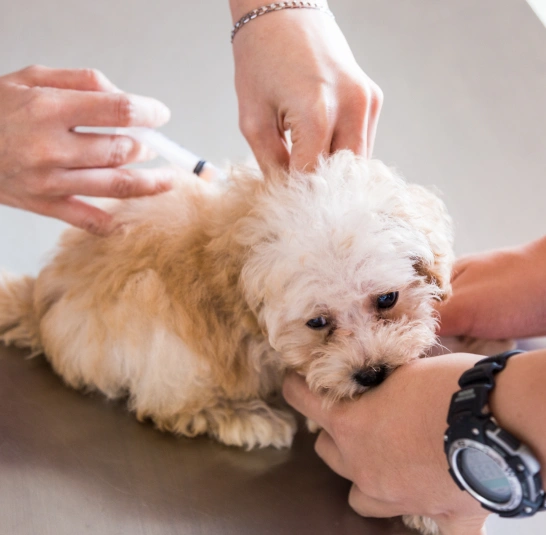
Prevent Serious Health Issues With Dog Vaccinations
Vaccinations are crucial for maintaining your dog’s health. Protecting your furry friend from preventable diseases through vaccinations is an essential aspect of their long-term well-being.
There are various vaccinations for dogs to keep your pet safe from potentially life-threatening conditions. Regular vaccinations tailored to your dog’s lifestyle and age ensure they are protected against diseases such as rabies, parvovirus, and distemper.
Vaccination Essentials for Your Dog’s Health
Dog vaccinations play a vital role in safeguarding your pet from serious health risks. At Topaz Veterinary Clinic, we offer dog vaccinations in Tempe designed to protect your dog at every stage of life. Vaccines are not only necessary to prevent infections but also to reduce the spread of disease within your community.
Vaccination schedules may vary based on your dog’s age, breed, and lifestyle. A core set of vaccines is recommended for every dog, while additional vaccines may be necessary for those with higher exposure risks, such as outdoor dogs. Vaccination plans are customized to your pet's unique needs to ensure they receive the right level of protection.
Core and Non-Core Dog Vaccinations You Should Know
Your dog’s vaccination plan will include both core and non-core vaccines, depending on their specific needs:
Core Vaccines
These vaccines are recommended for every dog, regardless of lifestyle, as they protect against common and dangerous diseases:
- Rabies: Required by law, protects against the fatal rabies virus.
- Distemper: A serious viral disease affecting the respiratory, gastrointestinal, and nervous systems.
- Parvovirus: A highly contagious virus that can be fatal, particularly in puppies.
- Feline Upper Respiratory Infections: Protects against common upper respiratory illnesses, keeping cats healthy and reducing the spread of infection.
Why Early Vaccinations Matter for Puppies
Puppies have specific vaccination needs that ensure their immune systems are adequately protected as they grow. A typical vaccination schedule for puppies starts around 6-8 weeks of age and includes a series of shots for diseases such as parvovirus, distemper, and adenovirus.
The initial vaccination series helps build a strong defense against infections during this critical period of development. After the first round, puppies will require booster shots to maintain their immunity and ensure long-term protection. Early vaccinations for dogs lay the foundation for a healthy life.
Booster Shots and Timely Vaccination Updates
Vaccines require regular booster shots to ensure their effectiveness. Booster vaccines are typically administered every 1-3 years, depending on the vaccine and your dog’s age or health condition. Keeping up with these updates is essential for continued protection and your pet's overall health.
What About Senior Dogs and Their Vaccination Needs?
Senior dogs have different health considerations, and their vaccination needs may change as they age. While some vaccines are administered less frequently in older dogs, others may be updated to protect against age-related vulnerabilities.
Older dogs may have a weakened immune system, making them more susceptible to disease, which is why continuing regular vaccinations, even in senior dogs, is crucial to maintaining their overall health and immunity. A veterinarian will adjust the vaccination schedule based on the dog's age, lifestyle, and overall health.
How Dog Vaccinations Benefit the Community
Dog vaccinations not only protect your pet but also help prevent the spread of diseases within your community. By vaccinating your dog, you contribute to a healthier environment for both pets and people. Rabies, for example, is a zoonotic disease, meaning it can be transmitted from animals to humans. Vaccinating dogs helps reduce the risk of such diseases and keeps everyone safe.
Vaccination also helps minimize the overall number of infected animals in the area, reducing the potential for outbreaks that can affect other pets or wildlife.
Prioritize Your Dog’s Vaccination Today
Keeping your dog’s vaccinations up to date is an important part of preventive care. At Topaz Veterinary Clinic, we offer dog vaccinations in Tempe that are designed to protect your pet throughout their life. Call us today to schedule a vaccination appointment and keep your dog protected from serious, preventable diseases.
Frequently Asked Questions
Vaccines remain important for senior dogs to help protect them from preventable diseases. As dogs age, their immune systems weaken, making them more susceptible to infections. Regular vaccinations help keep older dogs safe and contribute to a longer, healthier life.
Your vet will keep a record of your dog’s vaccinations, but it’s a good idea to maintain a copy of the vaccination schedule at home. Many clinics also offer reminders when booster shots are due. You can also set a reminder on your phone or calendar.
After vaccinations, it’s a good idea to keep your dog indoors and limit their interactions with other animals for a few days, which helps reduce the risk of infection while their immune system builds protection from the vaccine.
While the core vaccines are the same, senior dogs may require fewer vaccines or have a modified schedule based on their health and lifestyle. Your vet may recommend specific vaccines or boosters tailored to your aging dog's needs.
Vaccines help prepare your dog’s immune system by introducing small amounts of harmless pathogens, which stimulate the production of antibodies, which allow your dog’s immune system to recognize and fight off the real disease if it is exposed to it in the future.
Typically, it’s best to wait about 1-2 weeks after your dog’s final puppy vaccinations or boosters before allowing interactions with other dogs, especially in high-risk areas like dog parks, so your dog’s immune system has time to build protection
Some alternative vaccination options may be available. Titers can confirm if your dog still has sufficient immunity from past vaccinations, which might reduce the need for unnecessary boosters. Discuss these options with your vet.