Offering curbside service and drop-off appointments upon request.

Protect Your Dog With Safe and Simple Microchipping
Dog microchipping is a safe and effective way to ensure your pet can always find its way back home if it gets lost. The microchip, about the size of a grain of rice, is implanted just under your dog’s skin, providing a permanent form of identification. Microchipping is a simple, quick procedure that provides peace of mind knowing that your dog has a lifelong means of identification in case they wander off.
At Topaz Veterinary Clinic, we offer dog microchipping in Tempe to help keep your pet safe, which can be done during a routine visit and provides your dog with a unique, registered ID number. If your dog ever gets lost, a quick scan at a shelter or veterinary office can reunite you. Unlike collars and tags that can be lost, a microchip remains with your dog throughout their life, offering permanent identification.
Why Dog Microchipping Is Crucial for Pet Safety
Losing a pet is distressing for a pet owner. While collars and tags are helpful, they can be removed or lost, leaving your pet vulnerable. Microchipping for dogs offers an additional layer of protection by providing permanent identification that cannot be altered or removed. Benefits include:
- Permanent ID: The microchip remains under your dog’s skin for life, ensuring they always have a form of identification.
- Quick and easy process: The microchip implantation is quick, minimally invasive, and can be done during regular vet visits.
- Increased chances of recovery: Studies show that microchipped pets are more likely to be reunited with their owners compared to those without microchips.
- No need for batteries: Unlike GPS trackers or collars, the microchip does not require batteries or maintenance.
How Microchipping Works and What to Expect
The microchip procedure is quick, simple, and involves no surgery. A needle is used to implant the chip under your dog’s skin, typically between the shoulder blades. The chip contains a unique identification number that veterinary professionals, shelters, or animal control officers can scan. Once implanted, you’ll need to register the microchip with your contact information to ensure it can be linked back to you if your dog is found.
Update Your Microchip Information to Ensure Safe Return
After your dog is microchipped, keep your contact information up to date with the microchip registry. If you move, change phone numbers, or have your pet adopted, make sure to update the registration to ensure they can be returned to you if they go missing. Updating your information is simple and can usually be done online through the microchip company’s website.
What Happens If My Dog Gets Lost?
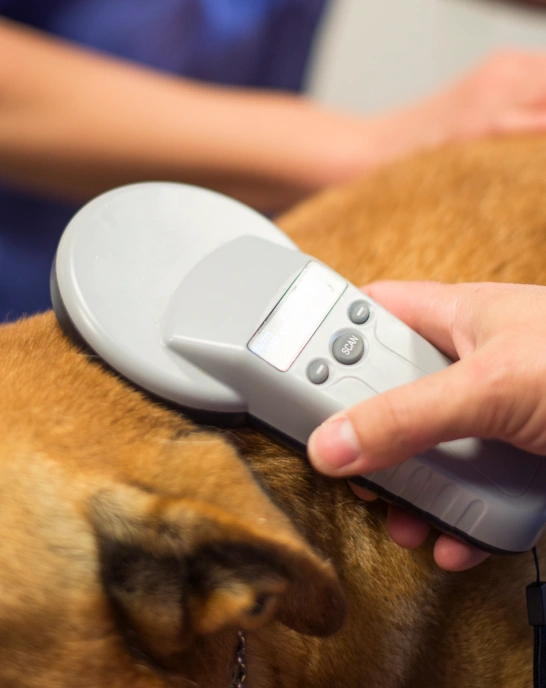
If your dog gets lost and is found, shelters or veterinary clinics will scan for a microchip. If one is found, the unique ID number will be used to contact you and reunite you with your pet. It’s essential to ensure your contact information is up to date with the registry to facilitate a quick return.
Why Microchips Are More Reliable Than Collars and Tags
Microchips are more reliable than collars and tags because they cannot be removed or lost. Collars can break, tags can fall off, and some dogs may even chew off their identification tags. Microchipping provides peace of mind knowing that, no matter what happens, your dog will always have a reliable form of identification.
The Benefits of Microchipping Beyond Identification
In addition to helping you reunite with your dog if they get lost, microchipping can also be useful in emergencies, such as natural disasters, car accidents, or boarding your pet. The microchip serves as an additional record of your ownership and can help with animal control, shelters, and even legal cases involving lost pets.
Microchip Your Dog for Long-Term Security
Microchipping for dogs is simple and effective, ensuring your pet’s safety for life. By providing your dog with permanent identification, you can have peace of mind knowing they’ll always have a reliable form of identification if they ever get lost. It’s a small procedure that increases the chances of quickly and efficiently reuniting with your pet and offers long-term security.
Contact us today to schedule an appointment for dog microchipping in Tempe. Give your pet the security it deserves with this quick and simple procedure. With microchipping, you can rest easy knowing your furry friend will always have permanent identification, keeping them safe wherever they go.
Frequently Asked Questions
The microchip is implanted under your dog’s skin with a needle, typically between the shoulder blades. The procedure is quick, minimally invasive, and does not require anesthesia.
If your dog is lost and found, shelters or vets can scan the microchip to retrieve your contact information and reunite you with your pet.
No, microchips are not a replacement for collars and tags, as they don’t allow for immediate identification. However, they provide a permanent backup if your dog’s collar or tag is lost.
Yes, microchips are detected by standard scanners used by animal shelters, veterinary offices, and animal control officers. The chip contains a unique ID number that can be traced back to you.
Yes, a microchip can help recover your dog if it is stolen, as it provides proof of ownership and a permanent ID that can be scanned if it is found.
Yes, even indoor dogs can benefit from microchipping. Accidents can happen, and a microchip ensures that your dog can be returned to you if they ever get lost.