Offering curbside service and drop-off appointments upon request.

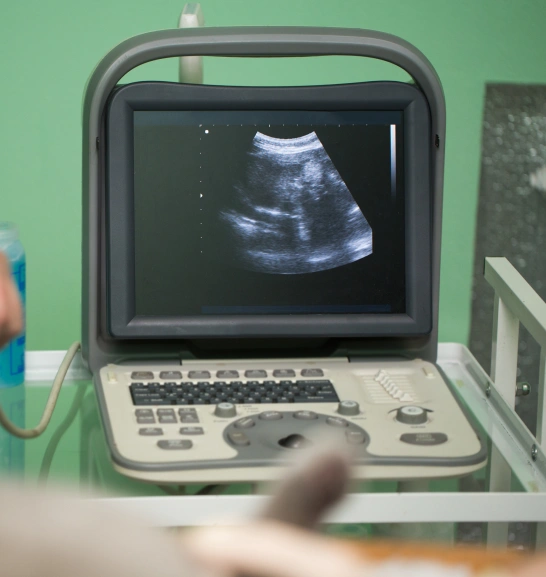
Early Detection is Key to Your Cat’s Health
Routine diagnostic testing is crucial to ensure your cat’s long-term well-being. Regular laboratory tests for cats help us identify potential health issues before they escalate, allowing for early intervention and effective treatment. From routine bloodwork to more advanced screenings, these tests provide valuable insights into your cat’s overall health.
At Topaz Veterinary Clinic, we prioritize your cat’s well-being by offering a full range of diagnostic services. Whether it's in-house testing for immediate results or advanced diagnostic testing at a reference lab, we are committed to providing your cat with the best care. Reach out to us for cat diagnostic care in Tempe to support your feline's health and take proactive steps. Our diagnostic testing allows us to identify underlying issues early, giving you peace of mind and preventing health complications.
Routine Diagnostic Testing for Your Cat
Regular diagnostic testing helps identify potential health problems before symptoms appear. Common conditions like kidney disease, heart disease, and infections can often be missed without routine testing. Our diagnostic services are designed to monitor vital aspects of your cat’s health, such as:
- Organ Function: Blood work and chemistry panels help us assess the health of your cat's liver, kidneys, and heart.
- Blood Cell Counts: A complete blood count (CBC) helps detect conditions such as anemia and infections.
- Parasite Detection: Fecal and blood tests detect parasites such as intestinal worms, fleas, and ticks that can affect your cat’s health.
By detecting health issues early, we can provide timely treatment and maintain your cat’s long-term health.
In-House Testing for Fast Results
We offer a variety of in-house diagnostic tests to provide quick results for your cat’s health concerns. Our in-house testing services include:
- Heartworm Testing: Heartworm testing is an essential part of your cat’s health care. Mosquitoes transmit heartworms, which can cause severe damage to the heart and lungs. Early detection is key to effective treatment and prevention of long-term health complications. We provide regular heartworm testing to ensure your cat stays protected and healthy.
- Feline Leukemia and FIV Testing: Feline Leukemia (FeLV) and FIV testing are crucial to diagnose viral infections that can significantly affect your cat’s immune system. These conditions can lead to long-term health issues, including weakened immunity. Routine testing helps identify these infections early, enabling us to manage and treat them effectively.
- Basic Bloodwork (CBC & Chemistry): Basic bloodwork, including CBC and chemistry panels, helps us monitor your cat’s overall health. CBC testing checks for infections or anemia, while chemistry panels evaluate organ function, including the liver and kidneys. Regular blood tests allow us to detect potential health issues early, ensuring your cat receives the best care.
- Urinalysis: A routine urinalysis helps detect urinary tract infections, kidney disease, or diabetes in your cat, providing key insights into kidney function, hydration, and metabolic health. Early detection through urinalysis allows us to address potential issues promptly, ensuring your cat’s well-being.
In-house laboratory tests for cats allow us to quickly identify potential issues and provide your cat with prompt care.
Advanced Testing with Reference Lab Services
For more detailed diagnostics, we collaborate with a trusted veterinary reference lab to offer advanced testing services, including:
- Fecal and Intestinal Parasite Screening: Our reference lab screens for parasites like roundworms, hookworms, and tapeworms that can affect your cat’s digestive system.
- Tick-Borne Disease Testing: Testing for tick-borne diseases such as Lyme disease, Ehrlichia, and Anaplasma helps detect infections before they cause serious health issues.
- Comprehensive Chemistry and CBC Testing: Our lab offers in-depth testing to assess liver, kidney, and heart function, providing a comprehensive view of your cat’s health.
- Histopathology and Cytology: For abnormal lumps or masses, these tests help determine whether they are benign or malignant.
- Allergy Testing: If your cat has skin irritation or gastrointestinal issues, allergy testing can help identify food or environmental sensitivities.
- Advanced Hormone and Endocrine Testing: For hormone imbalances like hypothyroidism or diabetes, advanced testing helps us diagnose and treat endocrine disorders effectively.
These advanced tests enable us to provide thorough diagnostic care for cats, ensuring we address any health concerns with precision.
Why Regular Diagnostic Testing Matters for Your Cat
Routine diagnostic care for cats is essential for early detection of health problems, allowing us to provide prompt treatment before conditions become severe. Whether it’s through in-house testing or advanced diagnostics, our goal is to keep your cat healthy and free from potential health issues. Early intervention improves treatment outcomes and helps maintain your cat’s quality of life.
Early detection is key to your cat’s long-term health. Contact us today to schedule an appointment for cat diagnostic care in Tempe. We’re here to provide comprehensive testing to support your cat’s health and ensure they remain happy and healthy for years to come.
Frequently Asked Questions
Generally, no special preparation is needed for most diagnostic tests. However, some tests may require fasting before blood work. Your vet will give you specific instructions to ensure accurate results for your cat’s tests.
Sudden weight loss in cats can be due to various health issues like hyperthyroidism, diabetes, or kidney disease. Diagnostic tests such as bloodwork and urinalysis help pinpoint the cause, allowing us to treat the underlying condition promptly and restore your cat’s health.
Yes, it’s generally safe to perform multiple diagnostic tests during a single visit. Combining tests like blood work, fecal analysis, and urine testing can help us evaluate your cat’s health comprehensively without the need for additional trips to the clinic.
Preparing for a fecal test requires collecting a fresh stool sample from your cat within 24 hours of the visit. Your vet will provide specific instructions for collection and ensure the sample is free of contaminants to ensure the most accurate test results.
Yes, senior cats are at higher risk of diabetes, and early detection is key to managing it. Regular blood glucose testing as part of annual check-ups helps identify diabetes before symptoms become severe, allowing for better long-term management.
Yes, allergy testing can help identify food sensitivities or environmental allergens that may cause your cat to scratch or groom excessively or experience digestive issues. If food allergies are suspected, eliminating triggers and modifying your cat’s diet will help improve their condition.
Urine testing plays a crucial role in diagnosing kidney disease early. It helps detect abnormal protein levels or dehydration, which are signs of kidney damage. Early detection enables dietary adjustments and medications that can slow the progression of kidney disease.