Offering curbside service and drop-off appointments upon request.

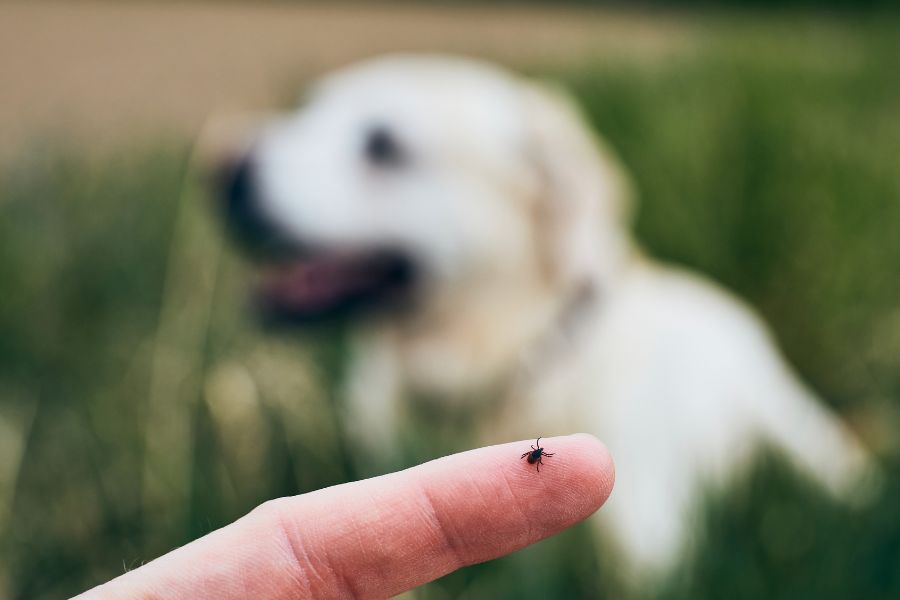
Fleas are one of the most common parasites affecting pets, especially in warm climates. If you’re searching for flea prevention for pets, understanding how fleas spread and how to stop them is key to keeping your furry companion healthy.
In this vet-approved guide, we’ll break down the most effective pet flea treatment options, prevention strategies, and even safe natural flea prevention methods. Whether you’re a new pet owner or dealing with a recurring infestation, this guide will help you protect your pet year-round.
Why Flea Prevention for Pets Is So Important
Fleas are more than just a nuisance—they can cause serious health issues for both pets and humans. These tiny parasites feed on blood and multiply quickly, making early prevention critical.
Common risks of flea infestations include:
- Skin irritation and itching
- Allergic reactions (flea allergy dermatitis)
- Hair loss and skin infections
- Transmission of tapeworms
- Anemia in severe cases (especially in puppies and kittens)
In a warm place, where fleas can thrive nearly year-round, vet-approved flea prevention is not optional; it’s essential.
Signs Your Pet May Have Fleas
Recognizing early symptoms can help you act before the infestation worsens. Keep an eye out for these common signs:
Physical Symptoms
- Excessive scratching, biting, or licking
- Red, irritated skin
- Small black specks (flea dirt) in fur
- Hair thinning or bald patches
Behavioral Changes
- Restlessness or discomfort
- Sudden agitation or anxiety
- Frequent grooming
If you notice these signs, it’s time to start a pet’s flea treatment plan immediately.
Vet-Approved Flea Prevention Methods
When it comes to protecting your pet, not all flea treatments are equal. Here are the most effective vet-approved flea prevention methods:
1. Topical Treatments
These are applied directly to your pet’s skin, usually between the shoulder blades. They:
- Kill fleas on contact
- Provide protection for up to 30 days
- Are easy to apply at home
2. Oral Medications
Chewable tablets are becoming increasingly popular because they:
- Work quickly (within hours)
- Kill fleas before they lay eggs
- Are less messy than topical options
3. Flea Collars
Modern flea collars are much more effective than older versions. They:
- Offer long-term protection (up to 8 months)
- Repel and kill fleas
- Are ideal for busy pet owners
4. Prescription Preventatives
Your veterinarian may recommend stronger, prescription-only treatments depending on your pet’s needs. These are often the most reliable option for severe infestations.
At Topaz Veterinary Clinic, local veterinarians of Tempe often customize flea prevention plans based on your pet’s lifestyle, age, and health condition.
Natural Flea Prevention Options
Many pet owners prefer a more holistic approach. While natural flea prevention can help, it’s important to use these methods carefully and not rely on them alone during heavy infestations.
H3: Safe Natural Options
- Regular bathing with mild pet shampoo
- Apple cider vinegar sprays (diluted)
- Frequent grooming with a flea comb
- Washing pet bedding weekly
H3: Environmental Control
Fleas don’t just live on pets—they thrive in your home environment.
- Vacuum carpets and furniture regularly
- Wash blankets and bedding in hot water
- Keep your yard clean and trimmed
Natural methods work best as a supplement to vet-approved flea prevention, not a replacement.
Flea Prevention for Pets
Tempe’s warm desert climate creates an ideal environment for fleas to survive year-round. Unlike colder regions, flea activity doesn’t slow down significantly in winter.
Local Tips for Pet Owners:
- Use flea prevention all year long, not just in summer
- Be cautious at dog parks and outdoor trails
- Check your pet after hikes or outdoor activities
- Keep your yard dry and well-maintained
Because fleas are so persistent in Arizona, consistent flea prevention for pets is critical to avoid reinfestation.
How to Treat a Flea Infestation
If your pet already has fleas, a multi-step approach is necessary.
Step-by-Step Treatment Plan:
- Start with vet-approved medication (topical or oral)
- Bathe your pet using flea shampoo
- Treat your home environment (vacuum, wash fabrics)
- Repeat treatments as advised by your vet
Consistency is key; missing even one step can allow fleas to return quickly.
Common Mistakes Pet Owners Make
Avoid these common errors when dealing with fleas:
- Using dog products on cats (can be toxic)
- Skipping monthly treatments
- Relying only on natural remedies
- Ignoring the home environment
- Stopping treatment too early
A strategic and consistent approach ensures successful flea treatment of your pet
When to Visit a Veterinarian
Sometimes, fleas can lead to more serious health concerns that require professional care.
Visit your vet if your pet:
- Has severe itching or open sores
- Shows signs of infection
- Becomes lethargic or weak
- Has recurring flea infestations
Early pet parasite testing and preventive care can prevent complications and ensure your pet gets the right treatment quickly.
Conclusion
Protecting your pet from fleas requires more than occasional treatment it demands a consistent, proactive approach. From recognizing early symptoms to using vet-approved flea prevention methods, staying informed is your best defense.
Combining medical treatments with proper home care and safe natural flea prevention techniques can keep your pet comfortable and flea-free all year long, especially in a warm area like Tempe, Scottsdale, Chandler, Mesa, and the greater Phoenix area.
If you’re unsure which flea treatment is right for your furry companion, the vet team at Topaz Veterinary Clinic can help you build a personalized prevention plan. Book an appointment today and give your pet the protection they deserve.
FAQs
Q1: What is the best flea prevention for pets?
Ans: The best option is vet-approved flea preventatives like oral medications or topical treatments, which provide reliable, long-lasting protection against fleas and their life cycle.
Q2: How often should I use flea prevention on my pet?
Ans: Most flea preventatives should be used monthly, but some products last longer. Always follow your veterinarian’s recommendations for consistent and effective protection.
Q3: Can I use natural flea prevention instead of medication?
Ans: Natural methods can help reduce fleas, but are not strong enough alone. They should be used alongside vet-approved flea prevention for best results.
Q4: How do indoor pets get fleas?
Ans: Fleas can enter your home through clothing, other pets, or even visitors. Indoor pets are still at risk and need regular flea prevention.
Q5: How long does it take to get rid of a flea infestation?
Ans: With proper treatment, it can take a few weeks to fully eliminate fleas. Consistent cleaning and repeated treatments are necessary to break the flea life cycle.