Offering curbside service and drop-off appointments upon request.

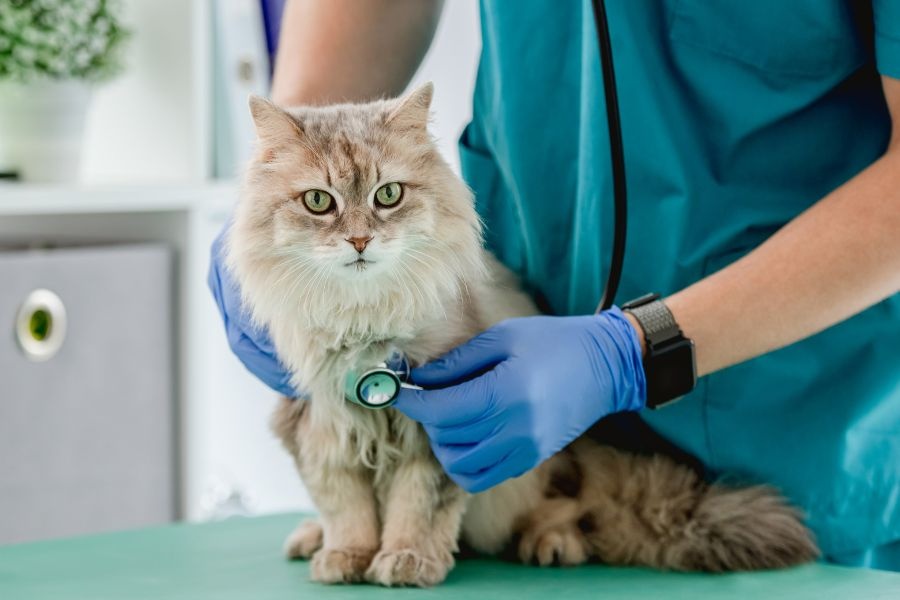
Tempe pet owners have no shortage of veterinary options. So how do you choose the right one? One credential cuts through the noise more clearly than any five-star review or flashy website: AAHA accreditation. Finding an AAHA-accredited vet that families can trust means choosing a clinic that has voluntarily submitted every aspect of its operation to rigorous third-party evaluation and met standards that the majority of veterinary practices in the country never attempt. Only about 15 percent of veterinary hospitals in the United States and Canada hold AAHA accreditation. That number alone tells you something important. This guide explains exactly what AAHA accreditation requires, and why it matters for your pet’s safety and care quality.
What Does AAHA Accreditation Really Mean for a Veterinary Hospital?
AAHA accreditation is a voluntary certification issued by the American Animal Hospital Association to veterinary practices that pass a comprehensive evaluation covering more than 900 individual standards of care. These standards span every area of hospital operation, including patient care protocols, surgical safety, anesthesia monitoring, pain management, staff training, laboratory practices, dental procedures, pharmacy management, and client communication.
What does AAHA-accredited mean in practical terms? It means an independent evaluator physically visited the clinic, assessed equipment, reviewed protocols, observed staff practices, and confirmed that the hospital met or exceeded each benchmark. Accreditation is not a one-time achievement. Hospitals must be re-evaluated every three years to maintain their status, which means standards must be consistently upheld, not just demonstrated during a single inspection.
Why Only 15 Percent of Clinics Pursue AAHA Accreditation
AAHA accreditation veterinary standards are demanding enough that most practices choose not to pursue them. The process requires significant investment in equipment, staff training, documentation systems, and ongoing protocol review. A clinic cannot fake its way through an on-site evaluation covering hundreds of specific criteria.
That voluntary nature is exactly what makes accreditation meaningful. Any licensed veterinarian can open a practice and legally provide care. Licensing requirements vary by state and set a floor, not a ceiling. AAHA accreditation represents a ceiling: the highest publicly verified standard available to general practice veterinary hospitals in North America.
In our experience, pet owners are often surprised to learn that their previous vet, despite years of good service, was not AAHA-accredited. That does not automatically mean care was poor. But it does mean there was no independent verification that protocols for anesthesia monitoring, pain assessment, dental radiography, or infection control met a defined national standard.
Pet owners often tell us they assumed all vet clinics operated at roughly the same level. The reality is that practice quality varies widely, and accreditation is one of the clearest ways to identify a clinic that has been evaluated against a consistent, rigorous benchmark.
What AAHA Standards Cover That Directly Affects Your Pet
The 900-plus standards AAHA evaluates are not bureaucratic checkboxes. They translate directly into safer, more effective care for your dog or cat. Here are several areas where accreditation standards have a concrete impact on your pet’s experience:
Anesthesia and surgical safety: AAHA requires accredited hospitals to follow specific protocols for pre-anesthetic evaluation, monitoring during procedures, and recovery. Every anesthetized patient must have dedicated monitoring for heart rate, respiratory rate, blood pressure, oxygen saturation, and body temperature throughout the procedure.
Pain management: Accredited clinics must have documented pain assessment and management protocols. Pain scoring is required before, during, and after procedures. This standard directly reduces the chance that your pet experiences unrecognized or undertreated pain during a hospital stay.
Dental care: AAHA accreditation veterinary standards require dental radiography as part of comprehensive dental care. Without dental X-rays, roughly half of all dental disease in dogs and cats goes undetected because the pathology lies below the gumline, where visual inspection cannot reach.
Laboratory and diagnostics: In-house laboratory equipment must be properly maintained and calibrated. Quality control records are reviewed during evaluation to confirm that diagnostic results are accurate and reliable.
Infection control: Protocols for sterilization, surface disinfection, isolation of contagious patients, and surgical site preparation must meet documented standards. This matters especially for pets undergoing surgery or boarding alongside other animals.
How AAHA Accreditation Shapes the Experience of Choosing a Vet
Choosing a vet in Tempe involves evaluating several factors: location, hours, pricing, staff demeanor, and clinical capability. AAHA accreditation adds an objective layer to that evaluation that personal impressions cannot replicate.
A warm front desk staff and a clean waiting room are encouraging signs, but they do not tell you whether the clinic’s anesthesia monitoring protocol meets national standards, whether the surgical suite is properly equipped, or whether pain assessments are documented for every patient. Accreditation answers those questions on your behalf through independent verification.
An accredited animal hospital that Arizona pet owners choose also tends to offer more consistent communication. AAHA standards include requirements around client education and informed consent, meaning your veterinarian is held to a documented standard for explaining diagnoses, treatment options, and aftercare instructions clearly.
In Arizona’s desert climate, pets face year-round heat stress, a longer flea and tick season than most northern states, and significant exposure to valley fever, a fungal infection common in the Southwest. An accredited hospital with rigorous diagnostic protocols is better equipped to evaluate and manage these region-specific health risks accurately and consistently.
Why Topaz Veterinary Clinic Is Tempe’s Trusted AAHA-Accredited Choice
Topaz Veterinary Clinic brings that level of verified, accountable care to pet owners across Tempe and the surrounding communities. As a proud AAHA-accredited veterinary practice in Tempe, we’ve been independently evaluated on everything from anesthesia safety to pain management and dental diagnostics. That accreditation isn’t a trophy on the wall — it’s a daily commitment to your pet’s safety. Experience care that’s been verified, not just promised. We are proud to deliver that standard to every patient, every visit. Book an appointment today.
Frequently Asked Questions
What does AAHA accreditation mean for a vet clinic?
Ans: AAHA accreditation means the clinic has voluntarily passed an on-site evaluation of more than 900 standards covering surgical safety, anesthesia monitoring, pain management, dental care, diagnostics, and client communication. Only about 15 percent of veterinary hospitals in the United States hold this credential, making it a meaningful indicator of care quality.
How is AAHA accreditation different from a standard veterinary license in Arizona?
Ans: A veterinary license is the legal minimum required to operate a practice and varies by state. AAHA accreditation is voluntary and holds clinics to a nationally consistent, independently verified standard that goes substantially beyond what licensing requires. The two are not equivalent in terms of what they confirm about care quality.
How often do AAHA-accredited veterinary hospitals get re-evaluated?
Ans: AAHA-accredited hospitals must be re-evaluated every three years to maintain their accreditation status. This ongoing requirement means the clinic must consistently uphold its standards rather than meeting them once and allowing practices to drift over time.
Is an AAHA-accredited vet more expensive?
Ans: AAHA-accredited clinics may charge slightly more for certain services because they invest in better equipment, more comprehensive monitoring, and higher staff training standards. However, the added safety and accuracy of accredited care frequently prevent costly complications, missed diagnoses, and repeat procedures that less rigorous care can produce.
What questions should I ask when choosing a vet?
Ans: Ask whether their AAHA accreditation is current, whether they perform dental radiography on every dental patient, what anesthesia monitoring equipment they use, how they assess pain in hospitalized patients, and how they handle contagious animals. A well-run accredited practice will answer all of these questions clearly and confidently.