Offering curbside service and drop-off appointments upon request.

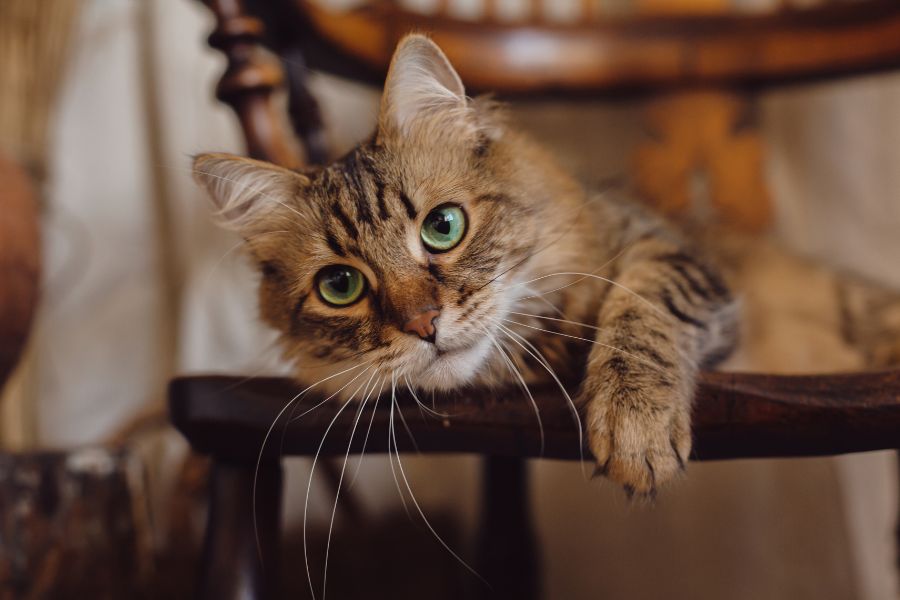
Watching your cat struggle to walk or hold a paw off the ground can be unsettling. Cats are known for masking discomfort, so when a limp becomes visible, it is often a sign that something real is going on. Whether your cat took a tumble from a high perch, has been slowing down over the past few weeks, or started limping out of nowhere, the right response depends on what caused it and how severe the signs are.
If you are in the Tempe area and your cat is limping, Topaz Veterinary Clinic is here to help you figure out the right next step. This guide walks you through the common causes of limping in cats, the warning signs to watch for, and when a trip for urgent pet care is the right call.
Why is My Cat Limping?
A limp in cats can stem from a wide range of causes, from something minor like a small cut on the paw pad to something more serious like a fracture or joint disease. Understanding the possible cause can help you assess the situation at home before heading in.
Injury or Trauma
Cats love to jump, climb, and explore. Falls from elevated surfaces, misjudged landings, or getting a paw caught somewhere can lead to sprains, fractures, or soft tissue injuries. Outdoor cats are also at risk for bites, cuts, or being struck by a vehicle. Even indoor cats can experience sudden injuries from a bad jump off a couch or countertop.
Paw Problems
Check your cat’s paw pads and between the toes. Thorns, splinters, small cuts, cracked pads, or objects lodged in the paw are common culprits. Swollen, red, or warm paw pads may indicate an infection or abscess that needs treatment.
Arthritis and Joint Disease
Limping in older cats is often linked to arthritis. Degenerative joint disease is more common in cats than many owners realize, and it tends to develop gradually. You may notice your cat is reluctant to jump up on furniture, moves more slowly, or shifts weight off one leg, especially after resting.
Infections and Abscesses
Cat bites, in particular, frequently lead to abscesses. Bacteria introduced through a puncture wound can create a painful, swollen pocket of infection under the skin. These often appear on legs or paws and can cause noticeable limping. Abscesses need veterinary treatment to drain and heal properly.
Nerve or Bone Issues
In some cases, a limp can point to something less visible, such as bone cancer, nerve damage, or a ligament injury. These conditions are less common but should be ruled out when a limp is persistent, worsening, or accompanied by other changes in behavior.
Signs That Require Urgent Vet Care
Not every limp requires an immediate visit, but certain situations should not wait for a routine appointment. Take your cat to urgent vet care at Topaz Veterinary Clinic if you notice any of the following:
- The leg appears misshapen, bent at an odd angle, or is dangling: This can indicate a fracture or dislocation.
- Your cat is not putting any weight on the leg: Complete non-weight-bearing is a more serious sign than a mild limp.
- There is visible bleeding, a deep wound, or a puncture: Open injuries need to be cleaned and assessed to prevent infection.
- The paw or leg is noticeably swollen, warm, or very tender to the touch: These are signs of infection or inflammation.
- Your cat is crying, hissing when touched, or hiding more than usual: Increased vocalization or withdrawal often signals significant pain.
- The limping came on suddenly after a known fall or accident: Trauma-related limping should be evaluated to rule out fractures or internal injury.
- Your cat has not eaten, is lethargic, or is having trouble breathing alongside the limp: These combined symptoms require prompt attention.
- The limp has lasted more than 24 to 48 hours without improvement: Even if it seemed minor at first, a limp that lingers should be examined.
When in doubt, it is always better to have your cat checked. Cats hide pain well, and what looks like a small problem on the outside can be more involved than it appears.
What to Do at Home While You Wait
If the limping seems mild and your cat is still walking, eating, and behaving relatively normally, you can take a few steps at home while monitoring the situation.
Gently inspect the paw for anything lodged between the toes or visible cuts on the pad. Do not squeeze the area or try to remove deeply embedded objects. If you see a small surface splinter or debris you can safely reach, remove it carefully and clean the area with mild soap and water.
Keep your cat indoors and limit jumping or climbing to reduce the chance of further injury. Avoid giving your cat any over-the-counter pain medications. Many pain relievers that are safe for humans, including ibuprofen and acetaminophen, are toxic to cats and can cause serious harm.
If your cat is showing any of the warning signs listed above, do not wait. Schedule an appointment at Topaz Veterinary Clinic and bring your cat in for urgent vet care in Tempe.
What to Expect at Your Vet Visit
When you bring your limping cat to Topaz Veterinary Clinic, the veterinarian will begin with a full physical exam, including a careful assessment of the affected leg, paw, and joints. Depending on what is found, the next steps may include:
- X-rays to check for fractures, joint changes, or bone abnormalities
- Wound care for cuts, abscesses, or puncture injuries
- Pain management to keep your cat comfortable during recovery
- Blood work or additional diagnostics if infection or a systemic issue is suspected
Treatment will depend entirely on the diagnosis. Sprains and minor soft tissue injuries may resolve with rest and medication, while fractures, abscesses, or joint disease require more involved care.
Keeping Your Cat Healthy After a Limp
Once your cat has been treated, follow-through at home matters. Stick to any prescribed medications, restrict activity as directed, and keep all follow-up appointments. If your cat was diagnosed with arthritis or a chronic joint condition, your veterinarian may recommend long-term management strategies such as weight control, joint supplements, or environmental modifications like ramps or lower-profile litter boxes.
The American Veterinary Medical Association recommends annual wellness exams for cats and twice-yearly exams for senior cats, as regular checkups help catch developing issues like joint disease or infection before they become more significant. In case of any urgent situation, reach out to our office at 480-345-6500
Frequently Asked Questions
1. Should I wait to see if my cat’s limp goes away on its own?
Ans: A mild limp with no other symptoms can be monitored for 24 hours. If it does not improve, or if your cat is not bearing weight, is in visible pain, or has a wound, it should be evaluated by a veterinarian without further delay.
2. Can I give my cat pain medication at home if it is limping?
Ans: No. Human pain medications, including ibuprofen and acetaminophen, are toxic to cats. Even aspirin, which is occasionally used in cats, requires strict veterinary dosing and supervision. Do not give any medication without guidance from your veterinarian.
3. How can I tell if my cat’s limp is caused by arthritis or an injury?
Ans: Arthritis-related limping tends to develop slowly and is often worse after rest or in cooler weather. Injury-related limping usually comes on suddenly, sometimes following a fall or physical activity. A veterinary exam and X-rays are the most reliable way to distinguish between the two.
4. What if my cat is limping but not crying or showing obvious pain?
Ans: Cats are very good at masking discomfort. A limp with no vocalization does not mean your cat is not in pain. If the limp persists beyond 24 to 48 hours or is accompanied by changes in behavior, appetite, or activity level, a veterinary evaluation is the right step.
5. Does Topaz Veterinary Clinic see cats for limping and other urgent concerns?
Ans: Yes. Topaz Veterinary Clinic in Tempe sees cats for a wide range of urgent and general care needs. If your cat is limping and you are unsure whether it requires prompt attention, you can call the clinic directly so the team can help you decide on the best course of action.