Offering curbside service and drop-off appointments upon request.


Parasites do not take a season off. Many pet owners assume fleas, ticks, and heartworm are warm-weather problems, but that thinking puts pets at risk every single month of the year. Year-round flea prevention is not optional in most parts of the country. It is the foundation of a healthy pet life. Fleas survive indoors through winter. Ticks stay active in temperatures as low as 35 degrees Fahrenheit. Mosquitoes, which transmit heartworm, can appear at any time conditions allow. The good news is that protecting your dog or cat from these threats is straightforward when you have the right plan. This guide breaks down everything you need to know about parasite prevention: what to watch for, how each parasite harms your pet, and what a solid prevention routine actually looks like. Read through to the end, because the section on heartworm contains information that surprises most pet owners.
What Is Year-Round Parasite Prevention and Why Do Pets Need It?
Year-round parasite prevention means using veterinarian-recommended treatments continuously throughout all twelve months, not just in spring and summer. Fleas, ticks, and heartworm-carrying mosquitoes can pose a threat to pets in every season, and a single gap in protection is all it takes for an infestation or infection to take hold.
Most pet owners are surprised to learn just how fast a flea problem escalates. A single female flea can lay up to 50 eggs per day. Within weeks, a few fleas brought in from the yard can become thousands hiding in carpet fibers, bedding, and furniture. Flea infestations do not just cause itching. They trigger allergic skin reactions, transmit tapeworms, and in young or small pets, cause dangerous blood loss through anemia.
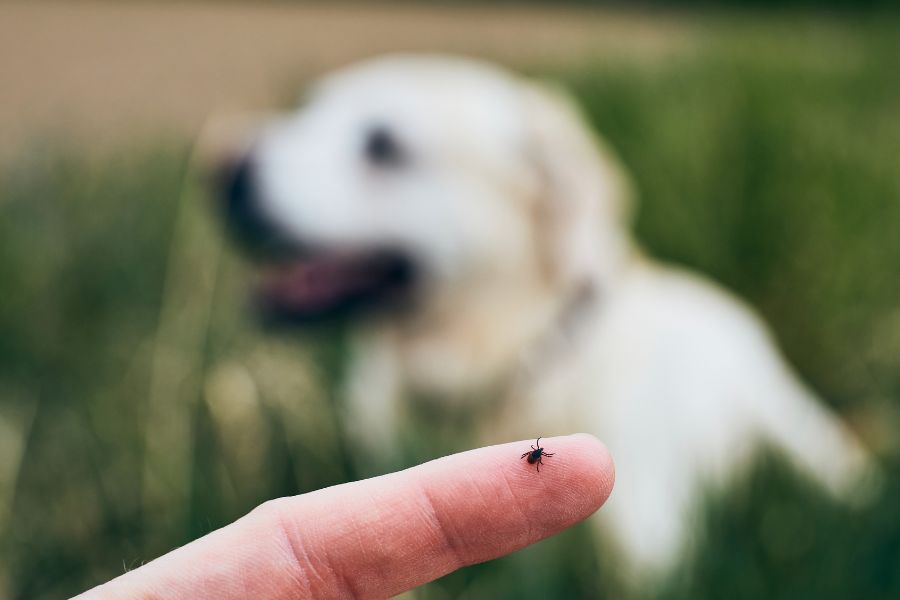
Ticks carry serious diseases, including Lyme disease, Rocky Mountain spotted fever, and ehrlichiosis. These conditions can cause fever, joint pain, and organ damage if not caught early. In Arizona, the desert climate does not eliminate tick risk. Pets that hike, visit dog parks, or spend time in brushy areas are regularly exposed. The best flea tick prevention dogs and cats can receive is a consistent, vet-approved product applied on schedule every single month.
Signs Your Pet May Already Have a Parasite Problem
Catching parasites early makes treatment faster and easier. Watch for these signs and contact your veterinarian promptly if you notice any of them:
- Excessive scratching, licking, or chewing at the skin – Flea bites cause intense itching, especially around the base of the tail and the belly.
- Small dark specks in the fur – Often called “flea dirt,” these are flea droppings and a clear sign of an active infestation.
- Hair loss or red, irritated patches of skin – These signal flea allergy dermatitis, one of the most common skin conditions seen in dogs and cats.
- Lethargy, coughing, or reduced exercise tolerance – In dogs, these can be early signs of heartworm disease as worms begin affecting the heart and lungs.
- Small bumps on the skin, especially around the head, neck, or ears – A tick may still be attached, or a bite site may be inflamed.
- Pale gums or visible weight loss – These can indicate a heavy parasite burden, particularly in puppies and kittens.
At Topaz Veterinary Clinic, one of the most common things the team sees is pet owners coming in weeks after noticing subtle signs, having assumed the problem would resolve on its own. It rarely does. Early intervention makes a meaningful difference in outcome and cost of treatment.
Understanding Heartworm: The Silent Threat
Heartworm prevention for pets is one of the most critical components of any parasite plan and also one of the most misunderstood. Heartworm disease is transmitted through mosquito bites. A mosquito carrying heartworm larvae bites your pet, deposits larvae under the skin, and those larvae migrate to the heart and pulmonary arteries, where they mature into adult worms that can reach 12 inches in length.
The reason many pet owners underestimate this threat is that heartworm disease is nearly invisible in its early stages. Dogs may show no symptoms at all for months. By the time coughing, fatigue, and difficulty breathing appear, the worms have already caused significant cardiovascular damage.
Here is the critical fact: treating an active heartworm infection is expensive, lengthy, and hard on your pet. Prevention, by contrast, is simple and affordable. Monthly heartworm preventatives given year-round are the standard of care recommended by veterinarians across the country. Testing your dog annually for heartworm is also recommended, even with consistent prevention use, to confirm the medication is working as intended.
Cats can contract heartworm, too, though their symptoms differ from those of dogs. There is currently no approved treatment for feline heartworm disease, which means prevention is the only true protection available.
Tick Prevention for Cats and Dogs: What Actually Works
Not all parasite prevention products are created equal, and not all are safe for every species. This is one of the most important points in this entire guide. Many products designed for dogs are toxic to cats. Always read labels carefully and consult your veterinarian before switching or combining products.
Veterinarians currently have access to several highly effective options for flea and tick control, including oral chewable tablets, topical spot-on treatments, and treated collars. Each has its own mechanism of action, duration of effectiveness, and ideal use case. The right choice depends on your pet’s species, weight, health history, lifestyle, and whether they spend time indoors, outdoors, or both.
Tick prevention for cats is particularly important for households that let cats go outside or live in areas with brushy landscaping. Some cat-safe options are available and highly effective when used consistently. Your veterinarian will help you select the right product and walk you through application technique, which matters as much as the product itself.
Dr. Kerri Bourne of Topaz Veterinary Clinic emphasizes that consistency is everything when it comes to parasite prevention. She advises pet owners to treat prevention like a monthly routine rather than a seasonal chore, noting that the warm Arizona climate and outdoor lifestyle of most local pets means year-round exposure to fleas, ticks, and mosquitoes is simply the reality in this region.
Building a Prevention Routine That Actually Sticks
Pet parasite protection tips work best when they become automatic habits. Here is a simple monthly routine that covers all three major threats:
- Mark a specific calendar date – Use the same date each month, such as the first or the date of your pet’s birthday, to administer preventatives.
- Use a reminder service – Many clinics and online pet pharmacies offer reminder subscriptions that ship individual monthly doses directly to your door.
- Treat all pets in the household at the same time – If one pet has fleas, all pets are exposed. Treating only one leaves the others vulnerable and re-infests the treated pet.
- Inspect your pet after outdoor time – Run your fingers through the coat, check around the ears, between toes, and under the collar for attached ticks.
- Keep up with annual wellness exams – Your veterinarian will run a heartworm test, check for signs of skin parasites, and update your prevention products based on your pet’s current health and any regional disease activity.
- Treat your home environment if an infestation occurs – Flea eggs and larvae survive in carpet and furniture for months. Treating only the pet without addressing the environment leads to re-infestation within weeks.
One of the most common pet parasite protection tips veterinarians give that gets ignored is this: never skip a month of prevention, thinking your indoor pet is safe. Fleas hitch rides on clothing and shoes. Mosquitoes enter through open doors and windows. The indoor environment does not guarantee protection.
Topaz Veterinary Clinic carries veterinarian-recommended preventatives and can help you build a prevention plan tailored to your specific pet’s needs, age, and lifestyle.
Protecting Your Pet All Year Long
Fleas, ticks, and heartworm are manageable threats when pet owners stay consistent. Year-round flea prevention, combined with heartworm and tick protection, gives your dog or cat the best possible defense against parasites that can cause serious, lasting harm. The key is building a routine and sticking to it every single month, regardless of the season or weather. Your pet cannot advocate for their own health. That responsibility falls to you, and the team at your veterinary clinic is there to help make it as simple as possible. Do not wait for a visible problem before starting prevention. By then, the harder work has already begun. Book an appointment today.
Frequently Asked Questions
Q: Does my indoor cat still need flea and tick prevention?
Ans: Yes. Fleas can enter your home on clothing, shoes, or other pets. Mosquitoes carrying heartworm larvae can fly through windows and doors. Indoor cats are at lower risk than outdoor cats, but are not fully protected without preventative treatment. Speak with your veterinarian about the right product for your cat’s specific situation.
Q: How often should my dog be tested for heartworm?
Ans: Most veterinarians recommend annual heartworm testing for dogs, even those on consistent monthly prevention. Testing confirms that the preventative is working correctly and catches any infection early when it is most treatable. Your vet will advise on the best schedule based on your dog’s history.
Q: Can I use dog flea and tick products on my cat?
Ans: No. Many flea and tick products formulated for dogs contain ingredients that are toxic to cats and can cause serious harm or death. Always use products specifically labeled for cats, and consult your veterinarian before starting any new treatment.
Q: At what age can puppies and kittens start parasite prevention?
Ans: Most preventative products can be started when puppies and kittens reach a specific minimum age and weight. Your veterinarian will determine the right starting point based on your young pet’s development. Do not use adult pet products on puppies or kittens without veterinary guidance.
Q: What should I do if I find a tick attached to my pet?
Ans: Use fine-tipped tweezers to grasp the tick as close to the skin as possible and pull upward with steady pressure. Do not twist or jerk. After removal, clean the bite area with rubbing alcohol or soap and water. Contact your veterinarian if the site becomes irritated, if your pet develops a fever or lethargy, or if you are unsure whether the tick was fully removed.