Offering curbside service and drop-off appointments upon request.

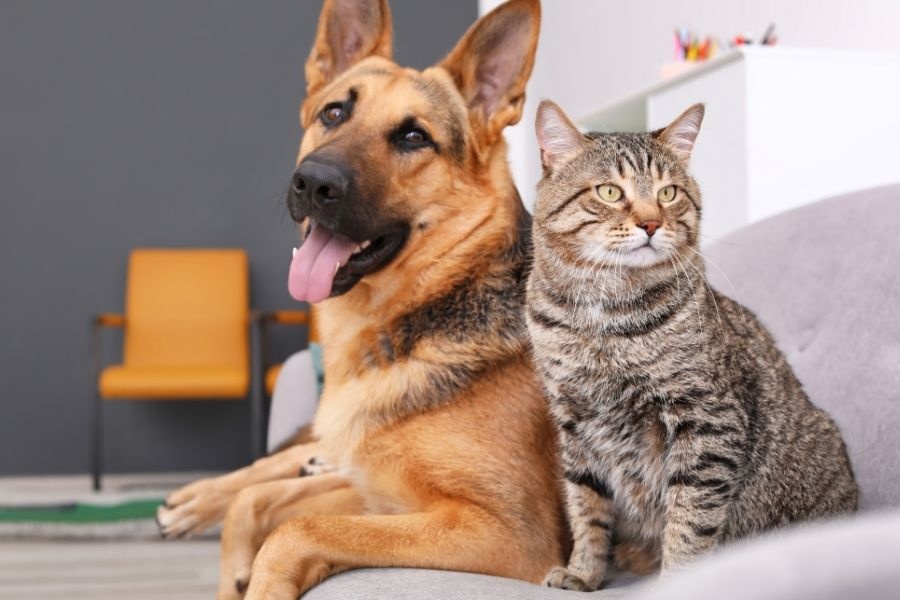
Some pets are companions. Others become family. Certain breeds are wired from the ground up to attach deeply, follow loyally, and stay close through every stage of life. If you have ever watched a dog wait by the door for hours or a cat curl up on a sick child without being called, you already understand what a true pet breeds family bond feels like. This article walks through 10 dogs and cats known for forming lifelong attachments, what makes each one special, and how to set that bond up for long-term success. Whether you are choosing your first pet or adding to a full household, this list gives you a clear starting point.
The Breeds Most Likely to Love You for Life
When families ask which pets form the deepest attachments, the answer comes down to temperament, genetics, and early socialization. These 10 breeds consistently rise to the top.
Dogs:
- Golden Retriever — Endlessly patient, emotionally intuitive, and gentle with children of all ages. Golden Retrievers read human moods with remarkable accuracy and adjust accordingly.
- Labrador Retriever — One of the most popular family dogs in the USA for decades. Labs are energetic, forgiving, and fiercely loyal to every member of the household.
- Cavalier King Charles Spaniel — Built to be a companion. Cavaliers shadow their people from room to room and thrive on physical closeness. Separation is genuinely hard on them.
- Border Collie — Intensely devoted, mentally driven, and deeply connected to their primary family unit. Best suited to active households that can match their energy.
- Boxer — Playful, protective, and affectionate. Boxers form strong bonds with children and are known for being patient through rough-and-tumble play.
- Bernese Mountain Dog — A calm, steady giant. Berners are gentle with small children, bond deeply with adults, and seem to sense when a family member needs comfort.
- Irish Setter — Cheerful, warm, and social. Irish Setters thrive in family environments and maintain their affectionate nature well into old age.
Cats:
- Ragdoll — Named for the way they go limp in your arms. Ragdolls follow their owners through the house, greet them at the door, and tolerate handling that most cats would reject.
- Maine Coon — Often described as dog-like. Maine Coons are curious, social, and form strong individual attachments. They engage with every family member rather than bonding to just one person.
- Siamese — Vocal, expressive, and deeply loyal. Siamese cats seek interaction constantly and form powerful bonds that last their entire lives.
What These Loyal Dog Breeds Tell Us About Attachment
The best loyal dog breeds families choose share a few core traits: they were bred to work alongside humans, they are sensitive to emotional cues, and they respond to consistent handling with lasting trust. That combination produces a dog that does not just obey it connects.
We see this regularly in practice. Dogs that struggle with separation anxiety, excessive vocalization, or destructive behavior when left alone are often the most bonded animals we work with. The attachment is real. The challenge is channeling it constructively.
Research consistently shows that early socialization between 3 and 14 weeks shapes a dog’s capacity for human bonding more than any other factor. Puppies exposed to varied people, sounds, and environments during that window grow into adults that trust more readily and stress less easily. For families bringing home a puppy from any of the breeds on this list, that window is not optional. It is the foundation.
Loyal dog breeds families raise well also tend to live longer, healthier lives. Stress is a genuine health factor in dogs. A well-bonded, secure dog carries lower chronic stress load and that has real implications for immune function, digestion, and longevity.
Why Affectionate Cat Breeds Are Underestimated
Cat bonding is misunderstood. Most people assume cats are independent by nature and incapable of the kind of attachment dogs form. Affectionate cat breeds like the Ragdoll, Maine Coon, and Siamese tell a different story.
These cats actively seek proximity. They greet owners at the door. They follow household routines. Maine Coons, in particular, are known to integrate into family life in ways that look more like a social dog than the stereotypical aloof cat. They interact with children, engage with guests, and communicate needs clearly.
One misconception we hear often: “My cat hides, so she doesn’t really like us.” In reality, a cat that hides consistently is often signaling stress, not indifference. A well-socialized affectionate cat breed in a calm, predictable household is one of the most engaged companions a family can have.
For families in Tempe with young children, cats from this group offer a lower-maintenance path to deep companionship. They do not require walks, they adapt well to apartment living, and their affectionate cat breed temperament holds even in busy households.
Setting Up a Lifelong Bond: What Families Often Miss
Long-lived pet companionship does not happen automatically. The breed sets the potential. The family unlocks it.
Here is what makes the difference:
- Consistent daily interaction. Bonded pets need time, not just proximity. Ten focused minutes of play or calm contact daily builds more trust than hours of passive co-existence.
- Predictable routines. Feeding, walks, and bedtime at consistent times reduce anxiety and build security. Bonded pets thrive on rhythm.
- Early veterinary care. Healthy pets bond better. Pain, illness, and parasites all interfere with social behavior. A pet that feels well is a pet that engages.
- Positive reinforcement only. Punishment-based training damages trust. The breeds on this list are sensitive. They respond to encouragement far better than correction.
- Patience through transitions. New homes, new babies, or new pets all create adjustment periods. Give bonded animals time to recalibrate rather than interpreting withdrawal as rejection.
In Tempe, the warm climate means families spend significant time outdoors. Dogs from this list Goldens, Labs, Setters, Boxers do exceptionally well in active outdoor households when heat management and hydration are prioritized. Veterinary care that includes routine wellness checks helps catch heat-related stress and seasonal health issues before they affect behavior or bonding.
Keeping the Bond Strong Through Every Life Stage
Long-lived pet companionship means your relationship with your pet will look different at 1 year than it does at 8. Puppies and kittens are high-energy, high-need, and in active bonding mode. Middle-aged pets settle into steady, trusting companionship. Senior pets need more comfort, more veterinary support, and more patience, but they give back in kind.
The best pets for families are the ones that age alongside them. A Golden Retriever that met your kids as a puppy and grows gray with them over 12 years is not just a pet it is a member of the family in the fullest sense.
Watch for behavioral changes at every stage. A suddenly withdrawn dog or a cat that stops seeking contact is often signaling a health issue, not a shift in affection. Routine wellness care through every life phase is what keeps the best pets for families healthy enough to keep showing up.
At Topaz Veterinary Clinic, the relationships we see between lifelong bonded pets and their families are unlike anything else in veterinary care. Those bonds are worth protecting with good nutrition, preventive care, and early attention to anything that seems off.
Conclusion
The right breed, raised right, becomes a fixture of family life so permanent it is hard to imagine the house without them. The pet breeds family bond built between a well-matched animal and an attentive family is one that deepens year by year through growth, change, and every phase in between. Whether you are drawn to the warm steadiness of a Bernese Mountain Dog or the vocal devotion of a Siamese cat, the investment is the same: consistency, veterinary care, and daily connection. That is what turns a pet into a partner for life. Book an appointment today.
Frequently Asked Questions
Q: Which dog breed bonds most strongly with families?
Ans: Golden Retrievers and Labradors Retrievers are consistently ranked among the strongest family-bonding breeds. Both are emotionally intuitive, patient with children, and maintain deep attachment across their entire lifespan.
Q: Do cats really bond with their families the way dogs do?
Ans: Yes, certain breeds do. Ragdolls, Maine Coons, and Siamese cats form genuine, lasting attachments. They seek contact, follow routines, and show clear signs of distress when separated from their people for extended periods.
Q: How long does it take for a new pet to bond with a family?
Ans: Most dogs show clear bonding behavior within 4 to 6 weeks in a stable, consistent home environment. Cats typically take 8 to 12 weeks, which is common, particularly for adults coming from shelters or previous homes.
Q: Can older pets still bond deeply with a new family?
Ans: Absolutely. Adult and senior pets bond every bit as deeply as puppies or kittens. The process may take longer, but the resulting attachment is just as strong. Many families find adult pets bond more calmly and steadily than younger animals.
Q: How does veterinary care affect a pet’s ability to bond?
Ans: Significantly. Pets that are in pain, dealing with parasites, or managing untreated illness often withdraw socially and struggle to engage. Routine wellness visits catch these issues early, keeping your pet healthy, comfortable, and fully present in your family’s life.