Offering curbside service and drop-off appointments upon request.

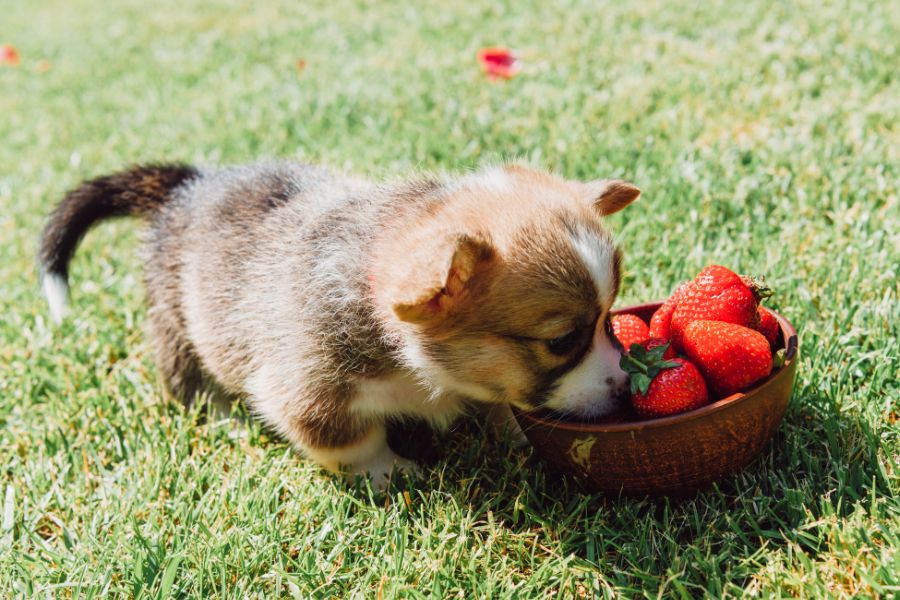
Sharing fruits and vegetables with your dog can be a healthy way to add variety to their diet when done correctly. Many pet owners wonder which human foods are actually safe for dogs and which ones can cause harm. In this guide, we’ll cover 15 safe fruits and veggies for pets, explain their benefits, proper serving tips, and what to avoid, with insights from a trusted veterinary perspective.
Are Fruits and Vegetables Safe for Dogs?
Yes, many fruits and vegetables are safe for dogs, but not all. Dogs are omnivores, meaning they can digest certain plant-based foods alongside animal protein. Safe fruits and veggies can provide:
- Natural vitamins and minerals
- Fiber for digestive health
- Low-calorie snack options
- Added hydration, especially in hot climates
However, fruits and vegetables should never replace a balanced dog food. They are best used as occasional treats or meal toppers.
Benefits of Adding Fruits and Veggies to Your Dog’s Diet
When fed in moderation, safe fruits and veggies for pets can support overall wellness.
Key Benefits Include:
- Improved digestion from natural fiber
- Immune system support from antioxidants
- Weight management with low-calorie snacks
- Better hydration, especially during Arizona summers
Always introduce new foods slowly to avoid stomach upset.
15 Safe Fruits and Veggies for Your Pup
Below are vet-approved fruits and vegetables that are safe for dogs, along with simple feeding tips.
1. Apples (No Seeds)
Apples are crunchy, low in fat, and rich in fiber and vitamin C.
Serving tip: Remove seeds and core; slice into small pieces.
2. Blueberries
Packed with antioxidants, blueberries support brain health and aging dogs.
Serving tip: Serve fresh or frozen as bite-sized treats.
3. Carrots
Carrots are great for dental health and low in calories.
Serving tip: Raw for crunch or lightly steamed for easier digestion.
4. Cucumbers
Perfect for hot days, cucumbers are hydrating and low-calorie.
Serving tip: Slice thin to prevent choking.
5. Green Beans
High in fiber and low in calories, green beans are ideal for weight control.
Serving tip: Plain, steamed, and unseasoned.
6. Bananas
Bananas offer potassium and vitamins but are higher in sugar.
Serving tip: Small portions only, mashed or sliced.
7. Strawberries
These contain vitamin C and antioxidants that support immune health.
Serving tip: Wash thoroughly and cut into small pieces.
8. Watermelon (Seedless)
Watermelon is over 90% water, making it great for hydration.
Serving tip: Remove seeds and rind completely.
9. Pumpkin (Plain, Cooked)
Pumpkin supports digestion and can help with mild diarrhea or constipation.
Serving tip: Use plain canned pumpkin, not pie filling.
10. Sweet Potatoes
Rich in fiber and vitamins, sweet potatoes support gut health.
Serving tip: Cooked, mashed, and served plain.
11. Zucchini
Zucchini is gentle on the stomach and low in calories.
Serving tip: Lightly steamed or raw in small pieces.
12. Broccoli
Broccoli contains vitamins and antioxidants, but should be fed sparingly.
Serving tip: Small amounts, cooked to reduce gas.
13. Spinach
Spinach provides iron and vitamins, but it should be an occasional treat.
Serving tip: Lightly cooked and finely chopped.
14. Pears (No Seeds)
Pears are high in fiber and vitamin C.
Serving tip: Remove seeds and core before serving.
15. Peas
Peas contain protein, fiber, and essential vitamins.
Serving tip: Fresh or frozen peas are best avoid canned.
Fruits and Vegetables Dogs Should Avoid
Not all produce is safe. Some common foods can be dangerous or toxic.
Avoid Feeding Your Dog:
- Grapes and raisins
- Onions and garlic
- Avocados
- Cherries
- Mushrooms (wild varieties)
- Corn cobs
If your dog eats any of these, consult with your nearest veterinary clinic immediately.
How Much Fruit or Veggie Can a Dog Have?
A good rule of thumb is the 10% rule: Treats, including fruits and vegetables, should make up no more than 10% of your dog’s daily calories.
Portion Tips:
- Small dogs: 1–2 small pieces
- Medium dogs: A small handful
- Large dogs: Slightly larger portions, still in moderation
Overfeeding can lead to stomach upset or weight gain.
Tips for Safely Feeding Fruits and Veggies to Dogs
To keep your pup safe and healthy:
- Always wash produce thoroughly
- Remove seeds, pits, and rinds
- Avoid seasoning, salt, butter, or oils
- Introduce one new food at a time
- Monitor for vomiting, diarrhea, or itching
Every dog is different; what works for one may not work for another.
Conclusion
Fruits and vegetables can be a healthy, fun addition to your dog’s diet when chosen wisely. By sticking to safe fruits and veggies for pets, watching portion sizes, and avoiding toxic foods, you can treat your pup while supporting their overall health. If you’re unsure about adding new foods to your pet diat, schedule a visit with Topaz Veterinary Clinic to get personalized dietary guidance and ensure your pet stays happy and healthy.
FAQs
Q1: What fruits are safest for dogs to eat daily?
Ans: Apples (without seeds), blueberries, and bananas in small portions are among the safest fruits for dogs.
Q2: Can dogs eat vegetables every day?
Ans: Yes, many dogs can have small amounts of vegetables daily as treats, as long as they’re properly prepared.
Q3: Are raw vegetables safe for dogs?
Ans: Some raw vegetables, like carrots and cucumbers, are safe, but others are easier to digest when cooked.
Q4: Can puppies eat fruits and veggies?
Ans: Yes, but only in very small amounts and after checking with a veterinarian.
Q5: What should I do if my dog eats a toxic fruit or vegetable?
Ans: Contact your veterinarian or an emergency animal clinic immediately if ingestion occurs.