Offering curbside service and drop-off appointments upon request.

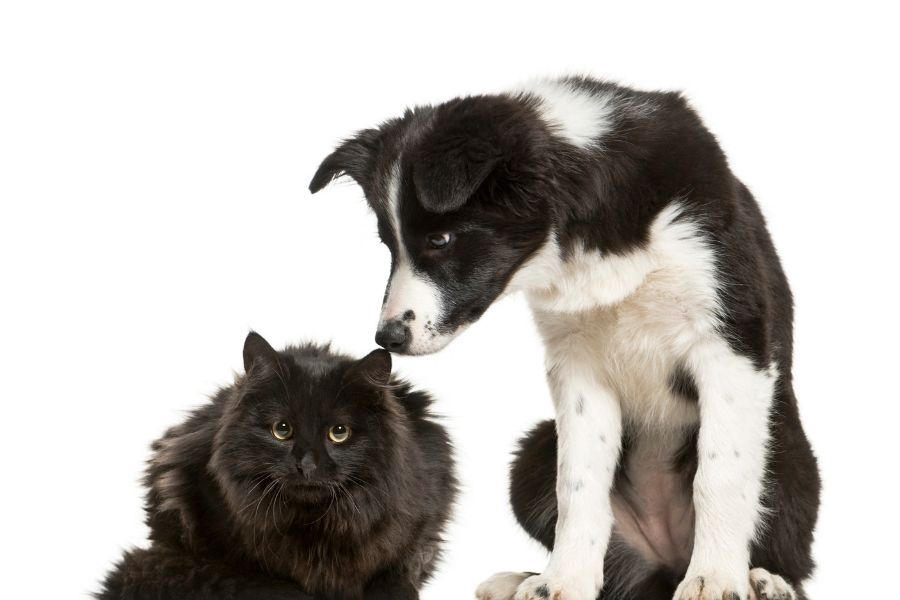
Your dog is still eating. Your cat is still using the litter box. Everything looks fine. But looks can be deceiving. Dogs and cats are hardwired to mask discomfort. This survival instinct kept their wild ancestors from appearing vulnerable to predators. For you, it means the signs pet is in pain are often quiet, easy to dismiss, and easy to miss. Pain in pets rarely announces itself. It hides in small changes in behavior, posture, appetite, and energy. Knowing what to look for can make the difference between catching a problem early and letting it progress for months before it’s found. This article walks you through the most common and overlooked signals, broken down by species, so you know exactly what to watch for.
Why Pets Mask Pain Better Than You Think
Most pet owners are surprised to learn that their dog or cat may be in significant pain while still acting fairly normal. Animals do not vocalize pain the way humans do. Crying, whimpering, or vocalizing distress is often a last resort, reserved for severe or acute pain.
Chronic pain, the kind that builds slowly from arthritis or internal disease, is especially well-hidden. Research suggests that up to 80% of dogs over age 8 show some degree of musculoskeletal pain, yet owners often describe these pets as “slowing down with age” rather than hurting.
Pet owners often tell us that once their pet was treated for a painful condition, they said, “I had no idea he was suffering that much.” That realization is heartbreaking. Knowing the subtle signs now means you will not be in that position later.
What Are the Signs a Pet Is in Pain?
Signs your pet is in pain often show up as changes in routine, not obvious distress. Here is what to look for in both dogs and cats.
Behavioral changes:
- Becoming withdrawn, hiding more than usual, or avoiding interaction
- Sudden aggression or irritability, especially when touched in a certain area
- Reluctance to jump, climb stairs, or engage in activities they once enjoyed
- Excessive grooming or licking a specific body part
- Changes in sleep patterns, either sleeping far more or seeming restless at night
Physical changes:
- Altered posture: hunching, tucking the tail, or shifting weight off one leg
- Squinting, eye discharge, or a third eyelid partially showing (common in cats)
- Labored or faster-than-normal breathing at rest
- Reduced appetite or interest in food
Vocal and facial signals:
- Whimpering, whining, or groaning when moving (more common in dogs)
- Flattened ears or a tense, furrowed facial expression
- Yowling at night, which cats sometimes do when in chronic discomfort
If you notice any of these signs, contact your veterinarian promptly. Even one or two of these signals is worth a call.
How Dogs Hide Pain: The Stoic Patient
Dogs have a strong instinct to push through discomfort. They will keep wagging their tail, greet you at the door, and eat their meals while silently dealing with joint pain, dental disease, or an internal issue.
One of the most common patterns we see in dogs is what we call the “good day, bad day” cycle. The dog seems fine one day, sluggish the next, and owners assume it was just a tired day. In reality, those “bad days” are often pain days.
How dogs hide pain often shows up in physical changes over time rather than dramatic shifts. Watch for:
- Reluctance to sit or lie down, or unusual positions when resting (like never curling up anymore)
- Stiffness after waking up that improves once they move around
- Licking at a joint, paw, or the belly repeatedly
- Panting when not hot or recently exercised
A dog who used to jump on the couch and now only sits beside it has not “gotten lazy.” That is a pain signal worth investigating.
How Cats Conceal Discomfort More Effectively
Cats are masters of concealment. Cat pain behavior signs are even more subtle than dogs, partly because cats are independent by nature and partly because they actively seek out quiet places to hide when unwell.
In our experience, the most commonly missed signs in cats include stopping grooming in certain areas (or over-grooming one spot), a dull, unkempt coat despite the cat being otherwise active, and reduced jumping height. A cat who now only jumps to the first shelf instead of the top of the bookshelf may be dealing with joint pain.
Cat pain behavior signs to watch closely:
- Hiding more than usual, especially in dark or enclosed spaces
- Changes in litter box habits, such as hesitating to get in or missing the box (which can signal pain when posturing)
- A facial expression that looks slightly tense or “squinted” even at rest
- Hissing or swatting when touched near the spine, hips, or abdomen
- A change in social behavior: a previously affectionate cat becoming distant
Cats in Arizona’s warm climate can also be affected by heat-related internal stress that compounds pain. Pet owners in Tempe often notice behavioral shifts in senior cats during summer that turn out to be pain-related, not seasonal.
Pet Pain Management Options: What Your Vet Can Do
When you bring your pet in for a pain evaluation, the goal is first to find the source. That usually involves a physical exam, and sometimes digital X-rays, lab work, or ultrasound. Treatment depends entirely on the cause.
Pet pain management options have expanded significantly and now include:
- Prescription pain medications tailored to your pet’s species, weight, and health history. Never give human pain relievers to pets. Ibuprofen and acetaminophen are toxic to both dogs and cats.
- Veterinary acupuncture for pets, which stimulates specific points on the body to reduce pain and support healing. This is particularly effective for arthritis, neurological conditions, and chronic pain. At Topaz Veterinary Clinic, Dr. Sarah Marzke is certified in veterinary acupuncture and develops personalized treatment plans for dogs and cats experiencing pain.
- Laser therapy, which uses targeted light energy to reduce inflammation and promote tissue healing without needles or medication.
- Joint supplements and nutritional support, which can be incorporated as part of a long-term management plan.
- Behavioral and environmental modifications, such as ramps instead of stairs, orthopedic bedding, and litter boxes with lower entry points for arthritic cats.
Your veterinarian will discuss which options make sense based on your pet’s specific condition and overall health.
When to See a Vet for a Pet in Pain
Knowing when to see a vet is one of the most important decisions a pet owner can make. The honest answer: sooner than you think.
A common misconception is that pain is only serious if it is visible or dramatic. In reality, by the time a pet is crying out or completely refusing to move, the pain has usually been building for some time. Early intervention leads to better outcomes and more pet pain management options before the condition progresses.
Bring your pet in if you notice:
- Any change in behavior lasting more than 2 to 3 days
- Sudden loss of appetite combined with lethargy
- Limping, favoring a limb, or difficulty rising
- Visible swelling, wounds, or sensitivity to touch in any area
- Breathing changes at rest
Do not wait for a dramatic sign. If something feels “off,” trust that instinct. Pets depend on you to notice what they cannot tell you themselves. Knowing when to see a vet can spare your companion weeks or months of unnecessary suffering.
Conclusion
Pets are good at hiding pain, and they rely on you to catch what they cannot communicate. The signs the pet is in pain are often subtle: a change in posture, a shift in behavior, and a reluctance to do something they used to love. Dogs tend to push through, while cats disappear into themselves. Both deserve prompt attention. If you notice anything that feels off, do not dismiss it as aging or a bad day. Topaz Veterinary Clinic offers thorough pain evaluations, acupuncture, laser therapy, and a full range of treatment options to help your pet feel better. Book an appointment today.
Frequently Asked Questions
Q: How can I tell if my dog is in pain?
Ans: Watch for behavioral changes like increased withdrawal, reluctance to jump or climb stairs, stiffness after rest, excessive licking of one area, or unusual panting at rest. Dogs rarely cry out from pain unless it is sudden or severe.
Q: Do cats show pain differently than dogs?
Ans: Yes. Cats tend to hide pain more effectively. Common signs include hiding, reduced grooming or over-grooming one spot, stopping high jumps, and changes in litter box habits. A tense facial expression at rest is also a reliable signal in cats.
Q: Can a pet be in pain and still eat normally?
Ans: Yes. Many pets in chronic pain continue eating normally, especially early on. Appetite loss is a later sign. Never use normal eating as a reason to rule out pain.
Q: What pain management options are available for pets?
Ans: Options include prescription medications, veterinary acupuncture, laser therapy, joint supplements, and environmental modifications. Your vet will recommend the right combination based on your pet’s condition, species, and health history.
Q: When should I take my pet to the vet for pain?
Ans: If your pet shows any behavioral or physical changes lasting more than 2 to 3 days, do not wait. Earlier evaluation leads to more options and better outcomes. Trust your instincts: if something feels off, it is worth a call to your veterinarian.

