Offering curbside service and drop-off appointments upon request.

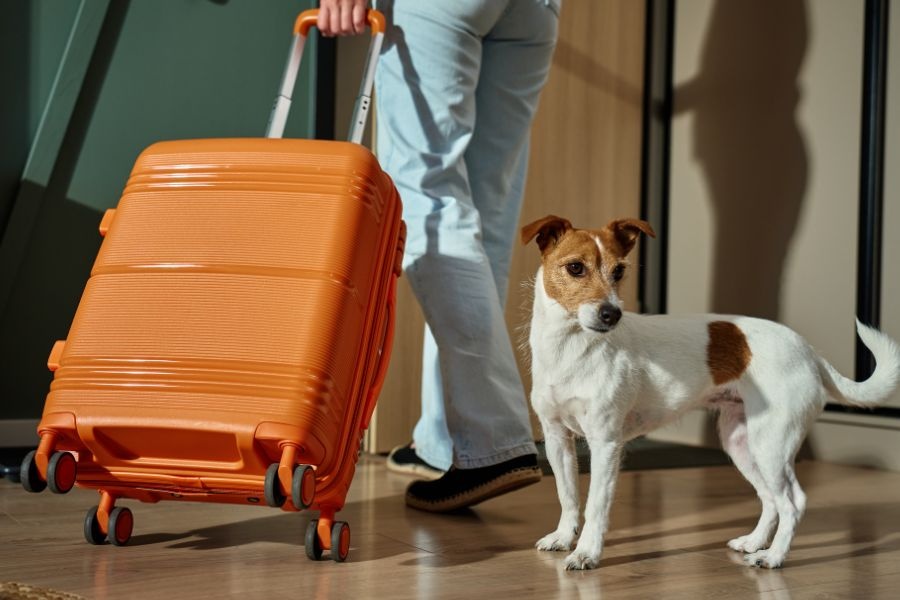
Planning a trip with your dog or cat? Before you book that flight or pack the car, there is one important document you cannot afford to overlook. A pet health certificate vet visit is often legally required for travel, whether you are crossing state lines or boarding an international flight. Many pet owners are caught off guard when they learn their pet needs an official health certificate before departure. Without it, airlines can deny boarding, and some states or countries can turn your pet away at the border. At Topaz Veterinary Clinic, we see this happen more often than you might expect. This guide covers everything you need to know, including when you need a certificate, what the exam entails, and how to ensure your pet is cleared and ready to go.
What Is a Pet Health Certificate and Why Does It Matter?
A pet health certificate is an official document signed by a licensed veterinarian. It confirms that your pet has been examined and is healthy enough to travel. It also verifies that your pet is current on required vaccinations, especially rabies.
Most airlines require a health certificate issued within 10 days of departure. Many states and all international destinations have their own requirements on top of that. Traveling with pets requires planning ahead, and the certificate is the foundation of that process.
The AVMA recommends that all pet owners research destination-specific requirements well in advance. Requirements vary widely depending on whether you are flying domestically, driving across state lines, or heading overseas. Skipping this step can result in serious travel disruptions.
In our experience, pet owners often underestimate how strict these rules are. We have seen families arrive at Sky Harbor Airport without the right paperwork and face real consequences. Getting your certificate from a qualified pet health certificate vet early removes that stress entirely.
When Do You Need a Pet Health Certificate?
Do I need a pet health certificate for every trip? Not always, but in most travel situations involving animals, the answer is yes.
You need a health certificate when flying with your pet on a commercial airline, whether your pet travels in the cabin or as cargo. Most major carriers require it for both. You also need one when crossing into certain U.S. states that regulate animal entry, particularly Hawaii and some southeastern states.
International travel is where requirements become most complex. Each country sets its own rules. Some require microchipping, specific parasite treatments, and blood titer tests months before arrival. Knowing the requirements for your destination early is critical.
Here are the most common travel situations that require a certificate:
- Domestic flights: required by most airlines for in-cabin and checked pets
- International flights: required by virtually all countries, with added documentation
- Travel to Hawaii: strict quarantine laws make early preparation essential
- Driving to certain states: Some states require proof of current health upon entry
- Cruise ships and trains: some carriers require documentation as well
Pet owners often tell us they assumed a certificate was only needed for flights. That is not always true. When in doubt, contact your destination state or country’s department of agriculture.
What Happens During a Pet Travel Health Exam?
A pet travel health exam is a thorough physical examination performed by a licensed veterinarian. It is not just a quick check-in. Your vet will assess your pet’s overall condition from nose to tail to confirm they are fit for travel.
Here is what you can expect during the appointment:
- Weight and vitals check: Your vet records your pet’s weight, temperature, heart rate, and breathing.
- Full physical exam: Eyes, ears, skin, coat, teeth, and lymph nodes are all reviewed.
- Vaccination verification: Your vet confirms that rabies and other required vaccines are current.
- Parasite screening: Some destinations require flea, tick, or heartworm checks before travel.
- Certificate completion: Your vet completes and signs the official health certificate form.
- USDA endorsement (if needed): For international travel, your vet must be USDA-accredited and may need to submit paperwork for federal endorsement.
The exam typically takes 20 to 30 minutes. We recommend scheduling it no earlier than 10 days before departure, since most certificates have a limited validity window.
Understanding USDA Accredited Vet Certificate Requirements
What is a USDA-accredited vet certificate, and do you need one? If you are traveling internationally with your pet, the answer is almost certainly yes.
A USDA-accredited vet certificate means the health certificate was signed by a veterinarian who is officially accredited by the United States Department of Agriculture. Only accredited vets are authorized to complete the government-approved forms required for international pet travel. A standard certificate signed by a non-accredited vet will not be accepted.
In Arizona, we see more international pet travel than many people expect, especially among families relocating abroad or visiting family in Mexico, Europe, or Asia. Each of those destinations has distinct paperwork requirements.
After an accredited vet signs the certificate, many countries require a federal endorsement stamp from the USDA Animal and Plant Health Inspection Service (APHIS). This process adds extra time, so plan for at least two to three weeks before your departure date when international pet travel documents are involved.
We frequently remind our clients that the USDA accreditation requirement catches many pet owners off guard. If you are not sure whether your vet is USDA-accredited, call ahead and ask.
Tips for a Smooth Pet Travel Experience
Preparation is the single most important factor in stress-free pet travel. The certificate is just one piece. Here are a few additional steps that make a real difference:
- Book your vet appointment early: Schedule your pet travel health exam no more than 10 days before you fly, but start planning at least a month.
- Research your destination’s rules: Visit the USDA APHIS Pet Travel website for country-specific requirements. Requirements for traveling with pets change, so check official sources.
- Confirm airline policies: Every airline has its own rules for pet carriers, breed restrictions, and documentation.
- Keep copies of everything: Bring originals and photocopies of your certificate, vaccination records, and any USDA endorsement paperwork.
- Ask about sedation carefully: The AVMA advises against sedating pets for air travel, as sedation can affect their breathing at altitude.
One common misconception is that pets only need a certificate the first time they travel. In reality, health certificates must be reissued for each trip. Old certificates are not reusable.
Conclusion
Traveling with your pet does not have to be stressful, but it does require preparation. A valid pet health certificate vet appointment is one of the most important steps you can take before departure. From domestic flights to international adventures, having the right documentation protects your pet and gives you peace of mind at every checkpoint. At Topaz Veterinary Clinic, our vet team is experienced in completing health certificates for both domestic and international travel. We are USDA-accredited and ready to walk you through every requirement, from the exam to the paperwork. Do not wait until the week of your trip. Book an appointment today.
Frequently Asked Questions
How far in advance should I schedule a pet health certificate appointment?
Ans: Most health certificates are valid for only 10 days from the date of issuance, so you should schedule your appointment within that window before your travel date. For international travel, start the process at least four to six weeks early to allow time for USDA endorsement and any additional country requirements.
Can any veterinarian sign a pet health certificate for international travel?
Ans: No. International travel requires a certificate signed by a USDA-accredited veterinarian. Not all vets hold this accreditation. Always confirm with your vet’s office before scheduling if you are traveling outside the United States.
Does my pet need a health certificate if I am driving, not flying?
Ans: It depends on your destination. Some U.S. states, particularly Hawaii, require health certificates for pets entering by any means of transport. Check the requirements for each state you plan to enter or stay in during your trip.
What vaccinations does my pet need to travel?
Ans: Rabies vaccination is required in virtually all travel situations. Additional vaccines may be required depending on your destination. Your vet will review your pet’s current vaccination records at the exam and advise you on anything that needs to be updated before travel.
What happens if my pet’s health certificate expires before my return trip?
Ans: A health certificate issued for your outbound journey is not valid for your return. You will need a new exam and a new certificate for the trip home, particularly for international travel. Plan and budget accordingly, especially if your trip lasts longer than a few days.