Offering curbside service and drop-off appointments upon request.

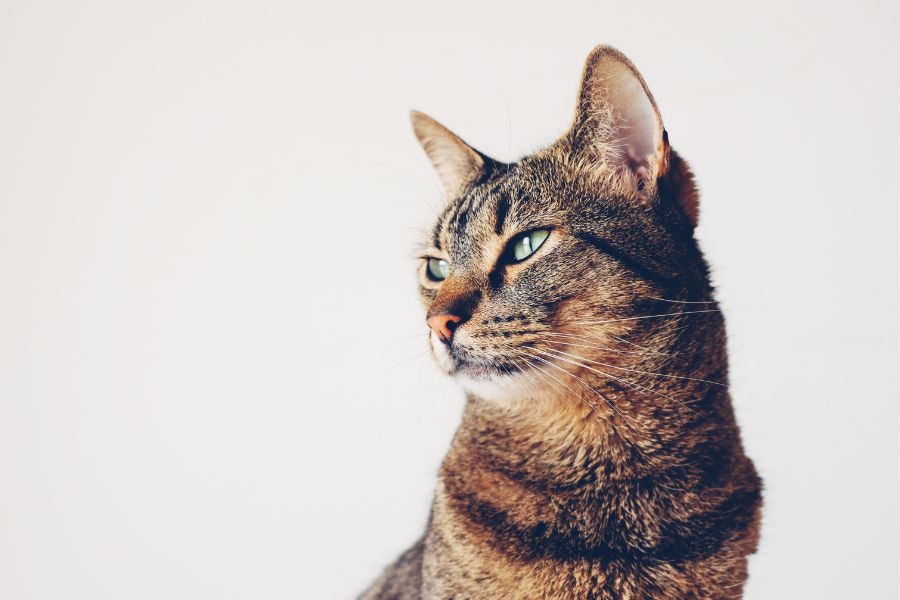
Older cats hide illness well, and that instinct can delay treatment when minutes matter. If your senior cat suddenly stops eating, hides more than usual, or struggles to breathe, these could be signs your cat needs senior cat urgent care right away. Cats age quietly on the outside while conditions like kidney disease, hyperthyroidism, or heart trouble build underneath. Knowing which changes are urgent, and which can wait for a routine visit, helps you act quickly without panicking over every small shift in behavior. This guide walks through the warning signs worth watching, what a visit involves, and how to tell the difference between normal aging and a problem that needs prompt veterinary care.
What Is Senior Cat Urgent Care and Why It Matters
Senior cat urgent care means same-day evaluation for cats showing sudden or worsening symptoms, typically cats age 10 and older. Aging cats are more prone to kidney disease, thyroid imbalance, dental pain, and arthritis, all of which can escalate fast if ignored. Roughly 1 in 3 cats over age 10 develops some form of kidney disease, and many go undiagnosed until symptoms appear suddenly.
Waiting for a routine appointment can mean days of untreated pain or a condition that worsens overnight. Same-day care lets a vet catch problems early, run bloodwork, and start treatment before a manageable issue turns into a crisis. For senior cats especially, the gap between “slightly off” and “seriously ill” can close fast.
Signs Your Senior Cat Needs Same Day Vet Visit
Cats rarely announce pain outright, so pet owners often tell us they only noticed something wrong once the signs stacked up. Watch for these:
- Sudden loss of appetite — even skipping one full day of food is worth a call, since cats can develop liver complications quickly when they stop eating.
- Labored or rapid breathing — open-mouth breathing or visible effort is never normal in cats.
- Hiding and withdrawal — a normally social cat suddenly avoiding people often signals pain.
- Repeated vomiting or straining in the litter box — especially in male cats, straining can mean a blocked urinary tract, which is life-threatening within hours.
- Sudden weakness or collapse — even a brief episode should be checked the same day.
If you notice two or more of these signs together, don’t wait to see if things improve on their own. In our experience, symptoms that cluster together often point to something more serious than an isolated issue.
What to Expect During a Same Day Vet Visit
Walking into an unfamiliar clinic can feel stressful for both cat and owner, so knowing the process ahead of time helps. Here’s what typically happens:
- Check-in and history review — staff ask about recent changes in eating, litter box habits, and energy level.
- Physical exam — the vet checks weight, hydration, heart rate, and gum color for early warning signs.
- Diagnostic testing — bloodwork, urinalysis, or X-rays as needed to identify the cause.
- Treatment plan — fluids, medication, or further monitoring depending on findings.
- Follow-up instructions — clear guidance on what to watch for at home afterward.
Cats in Tempe often show heat-related stress symptoms that mimic other illnesses, so local vets factor in outdoor temperature exposure when reviewing symptoms. Many cats we see improve significantly within hours of starting fluids or medication, which is reassuring for anxious pet owners expecting the worst.
Senior Cat Health Warning Signs Pet Owners Often Miss
A common misconception is that slowing down is just “old age” and doesn’t need a vet visit. In reality, reduced activity is often the first visible sign of arthritis, thyroid disease, or chronic pain, not simply aging. In Arizona, we see dehydration develop faster because of the dry climate, so senior cats need closer monitoring for water intake during hot months.
Other overlooked signs include:
- Increased thirst or urination, which can point to kidney disease or diabetes.
- Bad breath paired with drooling, often a sign of dental disease causing pain.
- Noticeable weight loss despite a normal or increased appetite, a classic sign of hyperthyroidism.
We frequently remind our clients that any noticeable change lasting more than a day or two deserves a phone call, even if the cat still seems mostly like themselves.
Why Choose Us for Urgent Pet Care
At Topaz Veterinary Clinic, our team has spent years focused specifically on senior cat health, so we know how quickly changes in an older cat can escalate. Pet owners in Tempe trust us because we take subtle symptoms seriously instead of dismissing them as normal aging. When your cat needs pet urgent care, fast access to a vet who understands feline behavior makes all the difference.
Call us at 480-345-6500 when your senior cat shows any sudden change in eating, breathing, or energy level. Our clinic is set up to see urgent cases the same day, with diagnostic tools on-site so we can start with answers, not just guesses, from the first visit.
How to Choose the Right Urgent Care Vet for Your Senior Cat
Not every clinic is equipped for the complexity of an aging cat’s health. Look for a practice with in-house bloodwork and imaging, since senior cats often need fast diagnostics rather than a referral elsewhere. Ask whether the veterinary team has specific experience with common senior cat conditions like kidney disease, hyperthyroidism, and arthritis.
A good clinic will also explain findings in plain language and walk you through next steps without rushing. Topaz Veterinary Clinic has built its approach around this kind of clear, unhurried communication with pet owners facing stressful, uncertain moments.
Recognizing the warning signs early gives your senior cat urgent care the best chance to work quickly and effectively. Watching for sudden changes, rather than waiting them out, is the single most useful habit a pet owner can build. Book an appointment today.
Frequently Asked Questions
Q: How do I know if my senior cat’s symptoms are urgent?
Ans: Sudden changes such as loss of appetite, labored breathing, repeated vomiting, or collapse should always be treated as urgent. If two or more symptoms appear together, seek same-day evaluation rather than waiting.
Q: Is it normal for older cats to slow down and sleep more?
Ans: Some reduced activity is expected with age, but a sudden or significant drop in energy often signals an underlying issue like arthritis or thyroid disease. A vet visit helps rule out treatable causes.
Q: What tests are typically run during a senior cat urgent visit?
Ans: Bloodwork, urinalysis, and sometimes X-rays are common first steps. These tests help identify kidney function, thyroid levels, and signs of infection or blockage quickly.
Q: Can dehydration in senior cats be serious?
Ans: Yes. Senior cats are more prone to dehydration, especially in hot, dry climates, and it can worsen kidney function rapidly. Increased thirst or lethargy alongside dry gums are signs worth addressing promptly.
Q: Should I wait to see if my cat’s symptoms improve before calling the vet?
Ans: Waiting is risky with senior cats, since conditions can worsen quickly. It’s safer to call and describe the symptoms so a vet can advise whether same-day care is needed.