Offering curbside service and drop-off appointments upon request.

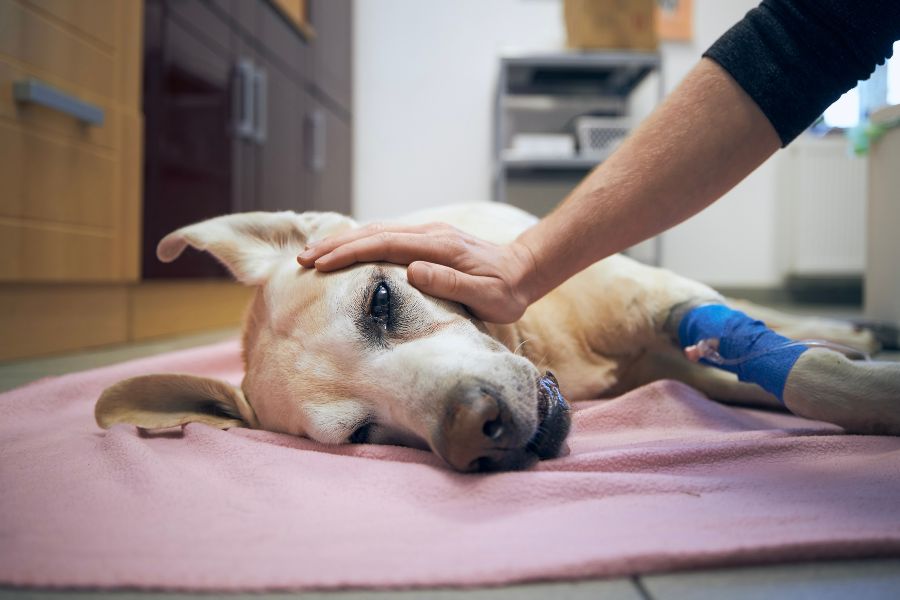
As a loving pet parent, recognizing when your furry friend is unwell can save their life. Knowing the early signs of illness in pets helps ensure timely treatment and better outcomes. In this guide, we’ll explore the top warning signs your pet needs to see a vet immediately, covering everything from sudden behavioral changes to alarming physical symptoms. If you ever wonder when to take your pet to the vet, this article gives you clear answers.
Why Recognizing Illness Early Matters
Pets can’t tell us when something is wrong, so it’s up to owners to watch for subtle clues. Early detection can make a huge difference in treatment success. Regular checkups and quick response to symptoms are key to keeping your pet healthy.
Some benefits of spotting illness early include:
- Faster diagnosis and treatment.
- Reduced medical costs through prevention.
- Better quality of life for your pet.
- Higher chance of full recovery.
Even mild symptoms can indicate deeper health issues, so never ignore sudden or unusual changes.
1. Sudden Loss of Appetite or Thirst
One of the most obvious signs your pet is sick is a drastic change in eating or drinking habits.
What to Watch For:
- Refusal to eat for more than 24 hours.
- Drinking excessive amounts of water (a possible sign of kidney issues or diabetes).
- Drooling excessively or difficulty swallowing.
If your pet skips meals or shows no interest in food, schedule an exam immediately. Prolonged loss of appetite can lead to dehydration or organ failure.
2. Vomiting or Diarrhea That Persists
Occasional stomach upset isn’t unusual, but if your pet vomits multiple times or has diarrhea for more than a day, it could mean infection, parasites, or ingestion of something toxic.
When to See a Vet:
- Blood in vomit or stool.
- Weakness, lethargy, or dehydration.
- Repeated vomiting after eating or drinking.
Persistent vomiting or diarrhea should never be ignored these are common symptoms that your dog needs a vet urgently.
3. Breathing Difficulties or Coughing
Respiratory issues can quickly turn dangerous. Heavy panting, wheezing, or persistent coughing might signal heart disease, allergies, infection, or even airway obstruction.
Key Symptoms:
- Open-mouth breathing (especially in cats).
- Persistent cough lasting over a few days.
- Bluish gums or tongue (indicating lack of oxygen).
If your pet seems short of breath, seek veterinary care for sick pets right away — breathing problems can worsen rapidly.
4. Sudden Behavior or Mobility Changes
Changes in behavior often indicate pain or illness. A normally active pet who becomes withdrawn, aggressive, or refuses to move could be in distress.
Warning Behaviors:
- Limping or stiffness after rest.
- Crying out when touched.
- Reluctance to climb stairs, jump, or play.
These can point to arthritis, injury, or neurological issues. If your pet’s energy or temperament changes drastically, it’s time for a professional evaluation.
5. Unexplained Weight Loss or Gain
Rapid weight changes are a serious red flag for conditions like thyroid disease, diabetes, or cancer.
Look For:
- Noticeable rib or spine visibility.
- A bloated abdomen.
- Increased hunger but ongoing weight loss.
Unexplained weight fluctuations mean your pet’s body is struggling with an internal imbalance — consult your nearest veterinarian to determine the cause.
Changes in Urination or Defecation
Elimination issues can indicate kidney, bladder, or digestive problems.
Concerning Signs:
- Straining to urinate or defecate.
- Accidents in the house (in previously trained pets).
- Blood in urine or stool.
If your pet appears uncomfortable while eliminating or cries out, this may signal infection or blockage requiring immediate medical attention.
Additional Red Flags You Shouldn’t Ignore
Besides the six major symptoms, here are other early signs of illness in pets that deserve attention:
- Constant scratching, licking, or hair loss.
- Foul breath, drooling, or dental pain.
- Seizures or disorientation.
- Pale gums or unusual discharge from the eyes or nose.
When in doubt, it’s always safer to call your vet. Acting quickly can prevent complications and save your pet’s life.
When to Take Your Pet to the Vet
As a rule of thumb, any sudden change in your pet’s normal routine, appetite, or behavior warrants a veterinary check. Don’t wait for symptoms to worsen. Pets often hide pain until it’s severe.
Call your vet immediately if your pet shows:
- Continuous vomiting, seizures, or collapse.
- Heavy bleeding or visible injuries.
- Difficulty breathing or walking.
- Unresponsiveness or confusion.
Your pet depends on you to recognize when something’s wrong. By staying alert to the warning signs your pet needs to see a vet, you can take action before minor issues become life-threatening.
Suppose you are conveniently located in Tempe, Arizona, and searching for the best veterinary care clinic for sick pets. In that case, Topaz Veterinary Clinic is the right choice for compassionate, advanced, and reliable pet care. Book an appointment today!
FAQs
Q1: What are the first signs that my pet might be sick?
Ans: A sudden loss of appetite, unusual behavior, vomiting, or changes in bathroom habits are early signs your pet might be sick and should see a vet.
Q2: How do I know when to take my pet to the vet?
Ans: If symptoms like vomiting, diarrhea, coughing, or lethargy persist for more than a day, it’s best to contact your veterinarian immediately.
Q3: Can stress cause my pet to act sick?
Ans: Yes, stress can trigger digestive issues, appetite loss, and behavioral changes. However, it’s important to rule out medical causes with a vet visit.
Q4: Why is my pet drinking so much water suddenly?
Ans: Excessive thirst may indicate diabetes, kidney disease, or hormonal imbalance. Schedule a vet check to identify the underlying issue.
Q5: What should I do if my pet vomits blood or has bloody stool?
Ans: This can signal a serious internal problem, such as ulcers, infection, or poisoning. Seek urgent veterinary care right away.