Offering curbside service and drop-off appointments upon request.

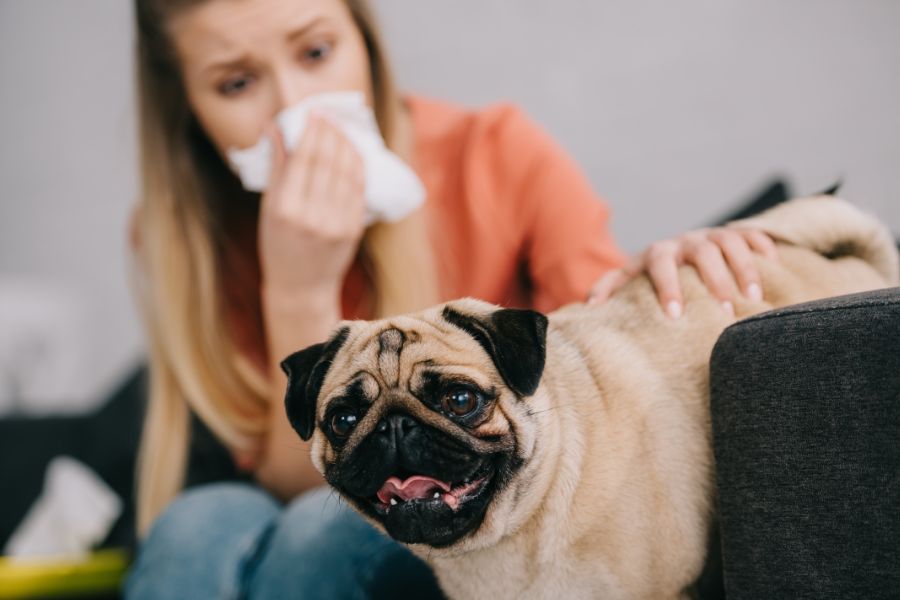
Bad breath and plaque buildup aren’t just unpleasant they’re signs of poor oral health in pets. The good news? You can support your furry friend’s dental health naturally. In this guide, we’ll cover effective, vet-approved ways to clean your pet’s teeth naturally, prevent bad breath in dogs and cats, and maintain long-term pet oral hygiene.
Why Pet Dental Care Is So Important
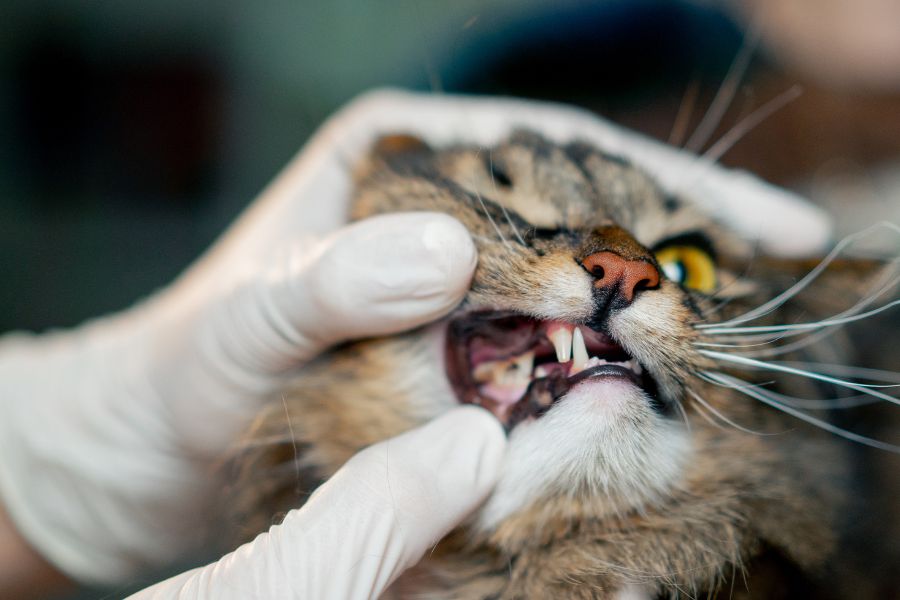
Dental health is one of the most overlooked aspects of pet care, yet it plays a huge role in your dog or cat’s overall well-being. Poor oral hygiene can lead to gum disease, tooth decay, and even heart or kidney problems due to bacteria entering the bloodstream.
Key signs of poor pet dental health include:
- Persistent bad breath
- Yellow or brown tartar buildup
- Red, swollen, or bleeding gums
- Difficulty eating or chewing
- Pawing at the mouth or drooling excessively
Routine dental care not only prevents discomfort but also extends your pet’s life and keeps their smile healthy.
Natural Ways to Clean Your Pet’s Teeth at Home
You don’t always need harsh chemicals or expensive products to maintain your pet’s dental hygiene. Here are natural and safe methods to clean your pet’s teeth at home:
1. Brush Their Teeth with Pet-Safe Toothpaste
Use a soft-bristled brush or finger brush with natural pet toothpaste (never human toothpaste). Brushing just a few times a week can remove plaque and prevent tartar buildup.
2. Offer Raw Fruits and Veggies as Snacks
Crunchy treats like carrots, apples (seedless), and celery help scrape off plaque naturally. They’re a healthy alternative to processed treats that often cause buildup.
3. Use Coconut Oil for Fresh Breath
Coconut oil has antibacterial properties and can be gently rubbed on your pet’s gums or added in small amounts to their food. It helps kill odor-causing bacteria naturally.
4. Try Dental Chews and Toys
Chewing on rubber toys, rawhide alternatives, or dental sticks helps clean teeth and strengthen gums. Choose options approved by your veterinarian for safe use.
How to Prevent Bad Breath in Dogs and Cats Naturally
Bad breath often signals underlying dental disease. Preventing it starts with daily habits:
- Provide clean, fresh water at all times to rinse away food particles.
- Add natural breath fresheners like parsley or mint leaves to meals in moderation.
- Feed a balanced diet with minimal sugar or filler ingredients.
- Avoid table scraps, as human food can promote plaque and odor.
- Use water additives made from natural ingredients like chlorophyll or aloe vera.
These habits help control oral bacteria and keep your pet’s breath fresh naturally.
The Role of Nutrition in Pet Oral Health Care
Your pet’s diet has a major impact on their dental health. High-quality food supports strong teeth and gums, while poor diets encourage plaque and decay.
Nutritional tips for better oral health:
- Choose dry kibble or textured food that promotes chewing and reduces buildup.
- Include Omega-3 fatty acids for gum health and inflammation control.
- Avoid sticky treats or soft foods that cling to teeth.
- Add probiotics to balance mouth bacteria and reduce odor.
A diet rich in essential vitamins and minerals promotes long-term oral health from the inside out.
Pet Dental Hygiene Tips from Veterinarians
Veterinarians recommend creating a consistent oral care routine to maintain your pet’s dental hygiene. Here’s what experts suggest:
- Regular brushing — aim for 2–3 times a week.
- Routine vet checkups — professional dental exams every 6–12 months.
- Use dental sprays or gels for extra protection between cleanings.
- Watch for behavioral changes, such as chewing on one side or skipping meals.
Your veterinarian can also recommend professional cleanings if plaque buildup becomes severe.
When to See a Veterinarian for Dental Care
If you notice signs like bleeding gums, loose teeth, or extreme bad breath, it’s time to visit your nearest pet dental care clinic in Tempe. These symptoms could indicate advanced dental disease that requires professional treatment.
Veterinary dental care may include:
- Dental scaling and polishing
- Tooth extractions for damaged teeth
- X-rays to check for underlying issues
- Antibiotic or anti-inflammatory treatments
Early intervention prevents pain and stops minor issues from becoming major health problems.
Building a Long-Term Pet Oral Health Routine
Good oral health is all about consistency. Set up a routine that fits easily into your daily schedule:
Daily: Provide fresh water and chew-friendly toys.
Weekly: Brush your pet’s teeth and check for odor or buildup.
Monthly: Inspect gums for redness or swelling.
Biannually: Schedule professional dental exams.
By combining home care with veterinary guidance, you can ensure lifelong dental wellness for your furry companion.
Keeping your pet’s mouth clean doesn’t have to be complicated. With natural care, healthy nutrition, and regular vet visits, you can prevent bad breath and tooth decay while keeping your dog or cat’s smile bright.
Suppose you are conveniently located in Tempe and searching for a pet dental care clinic near you. In that case, Topaz Veterinary Clinic is the right choice for compassionate, advanced, and reliable pet care. Book an appointment today!
FAQs:
Q1: How can I clean my pet’s teeth naturally at home?
Ans: You can brush with pet-safe toothpaste, use coconut oil, offer crunchy veggies like carrots, and give dental chews to naturally clean teeth.
Q2: What causes bad breath in dogs and cats?
Ans: Bad breath usually results from plaque buildup, gum disease, or bacteria in the mouth. Regular cleaning and a balanced diet can help eliminate odor.
Q3: Are dental chews enough to maintain my pet’s oral health?
Ans: Dental chews help reduce plaque, but should complement regular brushing and routine vet dental exams for best results.
Q4: Can poor dental hygiene affect my pet’s overall health?
Ans: Yes. Bacteria from gum disease can spread to the heart, liver, and kidneys, leading to serious health issues if untreated.
Q5: How often should my pet have a professional dental cleaning?
Ans: Most pets benefit from professional dental cleanings once a year, or more often if your veterinarian detects early signs of gum disease.