Offering curbside service and drop-off appointments upon request.

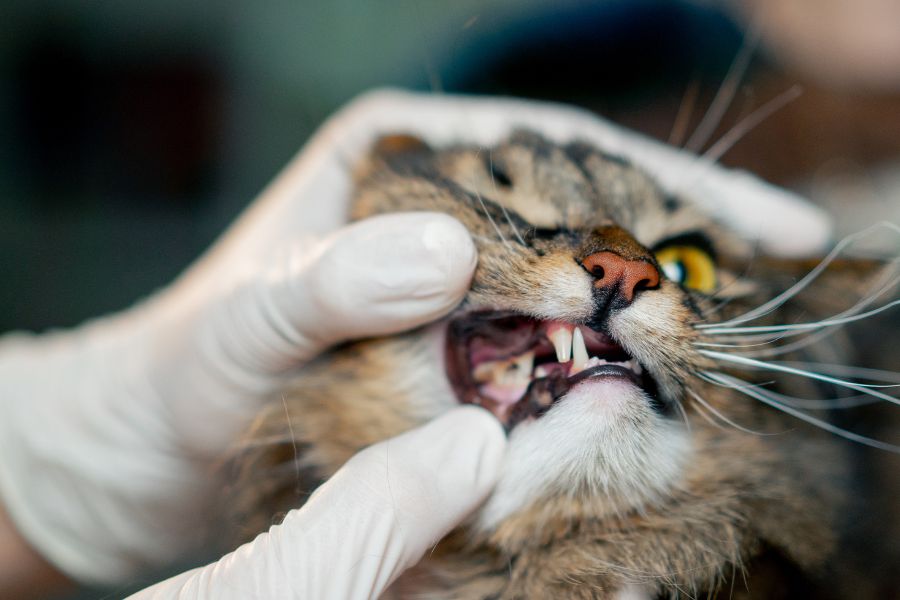
Most cat owners don’t think much about their cat’s teeth until there’s a problem. But cat teeth play a major role in overall health, affecting everything from eating habits to hidden pain and infection. In this article, we’ll uncover five amazing facts about cat teeth that every pet parent should know, along with simple tips to protect your cat’s dental health for life.
Why Cat Dental Health Is Often Overlooked
Cats are masters at hiding discomfort. Unlike dogs, they rarely show obvious signs of mouth pain, which means dental disease in cats often goes unnoticed until it becomes serious. According to veterinary studies, more than 70% of cats over age three have some form of dental disease.
Understanding how cat teeth work and what can go wrong can help you catch problems early and avoid painful issues later.
Amazing Fact #1: Adult Cats Have Only 30 Teeth
Most people assume cats have the same number of teeth as dogs, but that’s not true.
How Many Teeth Do Cats Have?
- Kittens: 26 baby teeth
- Adult cats: 30 permanent teeth
These teeth include:
- Incisors for grooming and nibbling
- Long canines for gripping prey
- Premolars and molars are designed for tearing, not chewing
Unlike humans, cats don’t grind their food, which means their teeth are prone to plaque buildup without natural abrasion.
Amazing Fact #2: Cats Rarely Get Cavities, but They Get Worse Problems
Cats don’t commonly develop cavities like humans, but that doesn’t mean their teeth are safe.
Common Cat Dental Problems
- Gingivitis (inflamed gums)
- Periodontal disease
- Tooth resorption (a painful condition unique to cats)
- Infected tooth roots
Tooth resorption affects up to 60% of adult cats and causes the tooth structure to slowly dissolve. It’s extremely painful and often requires extraction.
Amazing Fact #3: Bad Teeth Can Affect Your Cat’s Heart and Kidneys
Dental disease isn’t just a mouth issue; it can impact your cat’s entire body.
When bacteria from infected gums enter the bloodstream, it can:
- Stress the heart
- Damage to the kidneys
- Weaken the immune system
This is especially concerning for senior cats, who already face age-related organ changes. Treating dental disease early can extend your cat’s lifespan and improve quality of life.
Amazing Fact #4: Cats Hide Dental Pain Extremely Well
One of the most surprising facts about cat teeth is how well cats hide discomfort.
Subtle Signs of Dental Pain in Cats
- Dropping food or eating on one side
- Reduced appetite or picky eating
- Bad breath
- Pawing at the mouth
- Less grooming or irritability
Many cat owners assume these signs are “just aging,” but dental pain is often the real cause.
Amazing Fact #5: Most Dental Problems Are Preventable
The best news? Cat dental disease is largely preventable with simple, consistent care.
How to Protect Your Cat’s Teeth
- Brush your cat’s teeth 2–3 times per week using cat-safe toothpaste
- Use dental treats approved by veterinarians
- Schedule annual dental exams
- Don’t skip professional cleanings when recommended
Starting dental care early, even with kittens, makes brushing easier and reduces long-term issues.
When Should Your Cat See a Vet for Dental Care?
You should schedule a dental evaluation if your cat:
- Has persistent bad breath
- Stops chewing normally
- Has red or bleeding gums
- Has never had a dental exam
Routine dental checkups are often combined with wellness exams, making it easier to stay ahead of problems.
How Professional Dental Cleanings Help
Professional cleanings allow veterinarians to:
- Clean below the gumline
- Identify hidden tooth root infections
- Take dental X-rays
- Safely remove damaged teeth
Cats often feel more energetic and playful after dental treatment many owners are shocked by the improvement.
Conclusion
Your cat’s teeth do far more than help them eat; they impact comfort, behavior, and long-term health. Understanding these five amazing facts about cat teeth can help you recognize problems early and take simple steps to prevent serious disease. Regular dental care, combined with routine veterinary checkups, can keep your cat healthy, pain-free, and happy for years to come. If you’re a pet owner in Tempe and unsure about your cat’s oral health, now is the perfect time to schedule a dental exam at Topaz Veterinary Clinic to protect their smile.
Frequently Asked Questions
Q1: How often should a cat’s teeth be cleaned professionally?
Ans: Most cats benefit from professional dental cleanings once a year, depending on age and oral health.
Q2: Is bad breath in cats normal?
Ans: No, persistent bad breath is usually a sign of dental disease or infection.
Q3: Can I brush my cat’s teeth at home?
Ans: Yes, using cat-safe toothpaste and a soft brush can greatly reduce plaque buildup.
Q4: What happens if dental disease is left untreated in cats?
Ans: Untreated dental disease can cause pain, tooth loss, and damage to vital organs.
Q5: Do indoor cats still need dental care?
Ans: Absolutely. Indoor cats are just as prone to dental disease as outdoor cats.