Offering curbside service and drop-off appointments upon request.

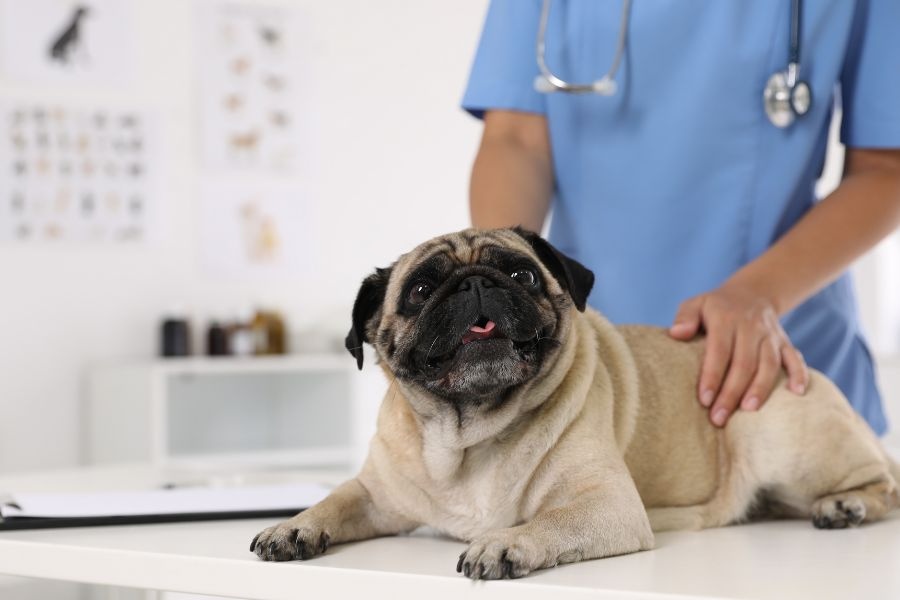
Your pet cannot tell you when something feels wrong. That is one of the most important reasons every dog and cat needs an annual pet wellness exam every single year. Here in the Valley of the Sun, the heat, desert wildlife, and outdoor lifestyle create unique health risks for pets. Many of the most serious conditions we treat, including kidney disease, heart issues, and dental disease, show no visible symptoms in their early stages. A routine wellness visit gives your veterinarian the chance to catch problems before they become painful, costly, or dangerous. Pet owners are often surprised to learn how much can be discovered in a single physical exam. Skipping a yearly visit is not a small risk. It is a missed window that can close quickly. Your pet’s health deserves that annual check-in.
What Is an Annual Pet Wellness Exam?
An annual pet wellness exam is a comprehensive head-to-tail physical evaluation performed by a licensed veterinarian. It is not just a quick look. It is a structured assessment of your pet’s overall health, covering everything from eyes and ears to heart, lungs, teeth, skin, and joints.
During the exam, your vet will weigh your pet, check vital signs, palpate the abdomen, and review any changes since the last visit. Bloodwork, urinalysis, and fecal testing may also be recommended depending on your pet’s age and lifestyle.
Research widely cited in veterinary medicine suggests that dental disease affects up to 80% of dogs and 70% of cats over age three. Most of these pets show no outward signs until the disease is advanced. A wellness exam is often the first time these issues are identified.
The exam also gives your vet a baseline. Year over year, those records reveal trends, gradual weight changes, subtle mobility shifts, and early organ changes that would be invisible without consistent monitoring.
Signs Your Pet May Be Overdue for a Checkup
Annual exams are not just for sick pets. They are especially important for pets that appear healthy. That said, these signs suggest your pet should not wait another week to be seen:
- Drinking or urinating more than usual. This can signal diabetes, kidney disease, or other systemic issues.
- Changes in appetite or weight. Unexplained weight loss or gain often points to a treatable underlying condition.
- Bad breath. Pet owners often tell us their dog’s breath has always been bad. In reality, persistent bad breath is almost always a sign of dental disease, not a normal trait.
- Reduced activity or stiffness. Older pets, especially, may show early arthritis signs that owners mistake for normal aging.
- Scratching, hair loss, or skin changes. These can be allergic reactions, parasites, or infections that worsen without treatment.
What to Expect During Pet Wellness Exam Visit
We know that a vet visit can feel stressful, for both pets and their people. At Topaz Veterinary Clinic, we work hard to make every wellness exam calm, thorough, and informative.
Here is what a typical visit looks like:
- Check-in and weight measurement. We note any changes from the previous visit right away.
- Medical history review. Your vet will ask about diet, behavior, activity, and any concerns since the last exam.
- Full physical examination. Eyes, ears, teeth, coat, skin, lymph nodes, heart, lungs, and abdomen are all assessed.
- Parasite screening. Fecal tests check for intestinal parasites, which are a real concern in the Tempe area, given our mild winters.
- Vaccine review. Your vet will discuss your pet’s current pet vaccine schedule vet recommendations, and update any that are due.
- Lab work is indicated. Senior pets or those with known conditions often benefit from bloodwork at every visit.
Many pet owners in Tempe are surprised by how much was covered in a single appointment. That is by design.
Why Early Disease Detection in Pets Saves Lives
One of the most powerful benefits of yearly visits is early disease detection in pets. Conditions caught early are almost always less expensive to treat and far less painful for your pet.
In our experience, cats especially tend to mask illness until it is quite advanced. A cat that seems perfectly healthy may be managing early kidney disease or hyperthyroidism quietly for months. Routine bloodwork during a wellness visit is often the only way to find it in time.
The American Veterinary Medical Association (AVMA) recommends annual exams for all adult pets and twice-yearly visits for senior animals. This guidance exists because the aging process in pets is rapid. One human year can represent five to seven years of biological aging for a dog or cat. Waiting more than a year between checkups is simply too long.
A common misconception we hear from pet owners is: “My pet seems fine, so there’s nothing to worry about.” Seeming fine and being healthy are not the same thing. Pets are instinctively wired to hide discomfort. That is why a pet preventive care visit matters so much. It removes the guesswork.
How to Make Wellness Exams Part of Your Pet’s Routine
Consistency is the key to getting the most out of your pet’s healthcare. Booking the same time each year, whether it is around your pet’s birthday or the start of a new season, makes it easier to stay on track.
A pet preventive care visit is also far more affordable than emergency or specialty care for a condition that went undetected. Most pet insurance plans cover wellness visits, and many clinics offer wellness packages that reduce the overall cost of routine care.
The yearly vet checkup benefits your relationship with your vet, too. Familiarity builds trust, and a vet who knows your pet’s history is better positioned to spot something unusual.
Conclusion
Every pet deserves a chance at a long, healthy life. The annual pet wellness exam is the single most important step you can take to give them that chance. It is preventive, proactive, and far more powerful than waiting for a problem to appear. In Tempe, where desert heat, ticks, outdoor hazards, and year-round activity put pets at real risk, staying ahead of health issues is not optional. It is essential. The good news is that it is easy. One appointment each year is all it takes to protect the pet who depends on you. Book an appointment today.
Frequently Asked Questions
How often should my pet have a wellness exam?
Ans: Most adult dogs and cats should have a wellness exam once per year. Senior pets, typically those over age seven, benefit from twice-yearly visits because age-related conditions can develop quickly. Your veterinarian will recommend the right schedule based on your pet’s age, breed, and health history.
What does an annual wellness exam include?
Ans: A standard wellness exam includes a full physical evaluation of your pet’s eyes, ears, teeth, coat, skin, heart, lungs, abdomen, and joints. Your vet will also review vaccine history, discuss diet and behavior, and may recommend bloodwork or parasite testing based on your pet’s individual needs.
Is a wellness exam necessary if my pet seems healthy?
Ans: Yes. Many serious conditions, including kidney disease, diabetes, dental disease, and heart problems, show no visible symptoms in their early stages. A wellness exam allows your veterinarian to detect these issues before they become painful or costly to treat.
How can I prepare my pet for their wellness exam?
Ans: Bring any prior health records if you are visiting a new clinic. Write down any behavioral changes, unusual symptoms, or questions you have noticed since the last visit. If your pet is anxious in the car or at the vet, let the staff know ahead of time. Many clinics can accommodate nervous pets with a little advance notice.